🔥
The Kingdom of Dahomey
“Power, the Agojie, and a Story That Refuses to Be Simple”
📅 c. 1600–1894 · Republic of BeninThe Agojie women warriors · one of West Africa’s most powerful military states · deep involvement in the slave trade
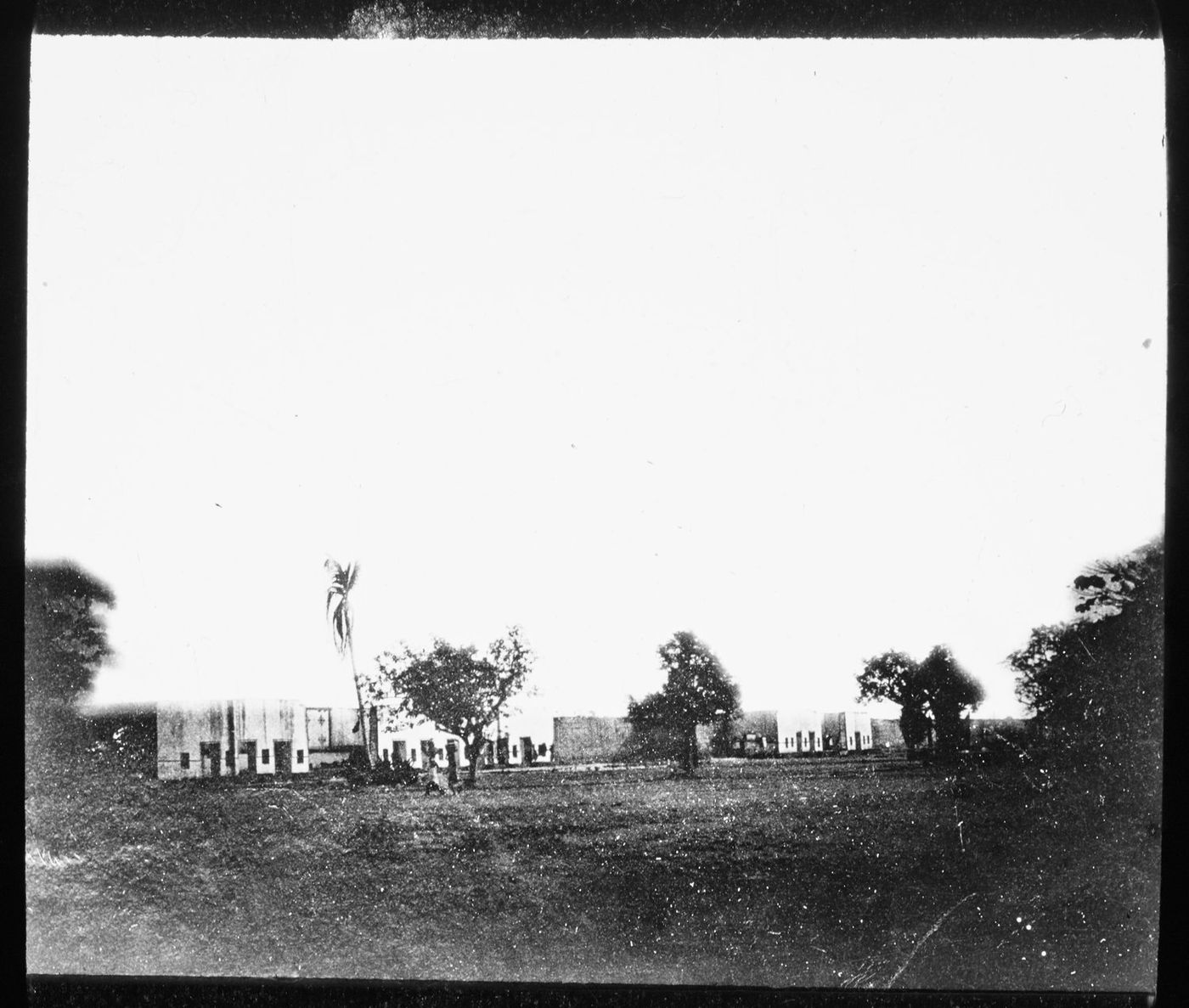
The royal palace at Abomey, after the fireFrench colonial photographic mission · Public domain — The palace of the kings of Dahomey at Abomey — the seat of the kingdom whose women soldiers were the Agojie.
View at source →
Evidence: ✓ European accounts + Fon oral tradition + archaeology
Foundedc. 1600 by the Fon people
Peak18th–19th century under Kings Agaja & Ghezo
EvidenceEuropean accounts, Fon oral tradition, Abomey palaces
TruthGreat military power AND participation in the slave trade — we do not hide either
The Rise
The Fon founded Dahomey inland from the coast, and under King Agaja (r. c. 1718–1740) conquered Allada and Whydah, seizing direct control of the Atlantic slave ports. The kingdom became one of West Africa’s most centralised, feared states.
The Agojie
Dahomey’s royal women soldiers — the Agojie (“our mothers”), called Amazons by Europeans — trained like men, fought like men, and were a standing force of thousands. Their last stand against French artillery in the 1890s is one of the great stories of African resistance.
The Difficult Truth
Dahomey’s power was built partly on the slave trade it controlled. AfriLore’s editorial standard refuses to hide this: the kingdom was simultaneously a military marvel and a slave-trading state. Historians debate how central each was — and we tell you both sides.
What The Sources Say
⭐ Academic monograph
Alpern, S.B. — Amazons of Black Sparta (1998)
The definitive study of the Agojie
⭐ Academic monograph
Bay, E.G. — Wives of the Leopard (1998)
Gender, politics and power in Dahomey
⭐ Academic monograph
Law, R. — The Kingdom of Allada (1997)
The conquests that made Dahomey a coastal power
⭐ UNESCO
UNESCO World Heritage — Royal Palaces of Abomey
whc.unesco.org/en/list/323
💡 Did you know? The Royal Palaces of Abomey were built with walls made of earth mixed with palm oil — and they still stand today.
This page is part of the
AfriLore Encyclopedia — every claim labelled: ✓ Verified Fact · 🗣️ Oral Tradition · ⚖️ Historical Debate.