🏛️
Great Zimbabwe
“The Stone City That Colonial History Tried to Erase”
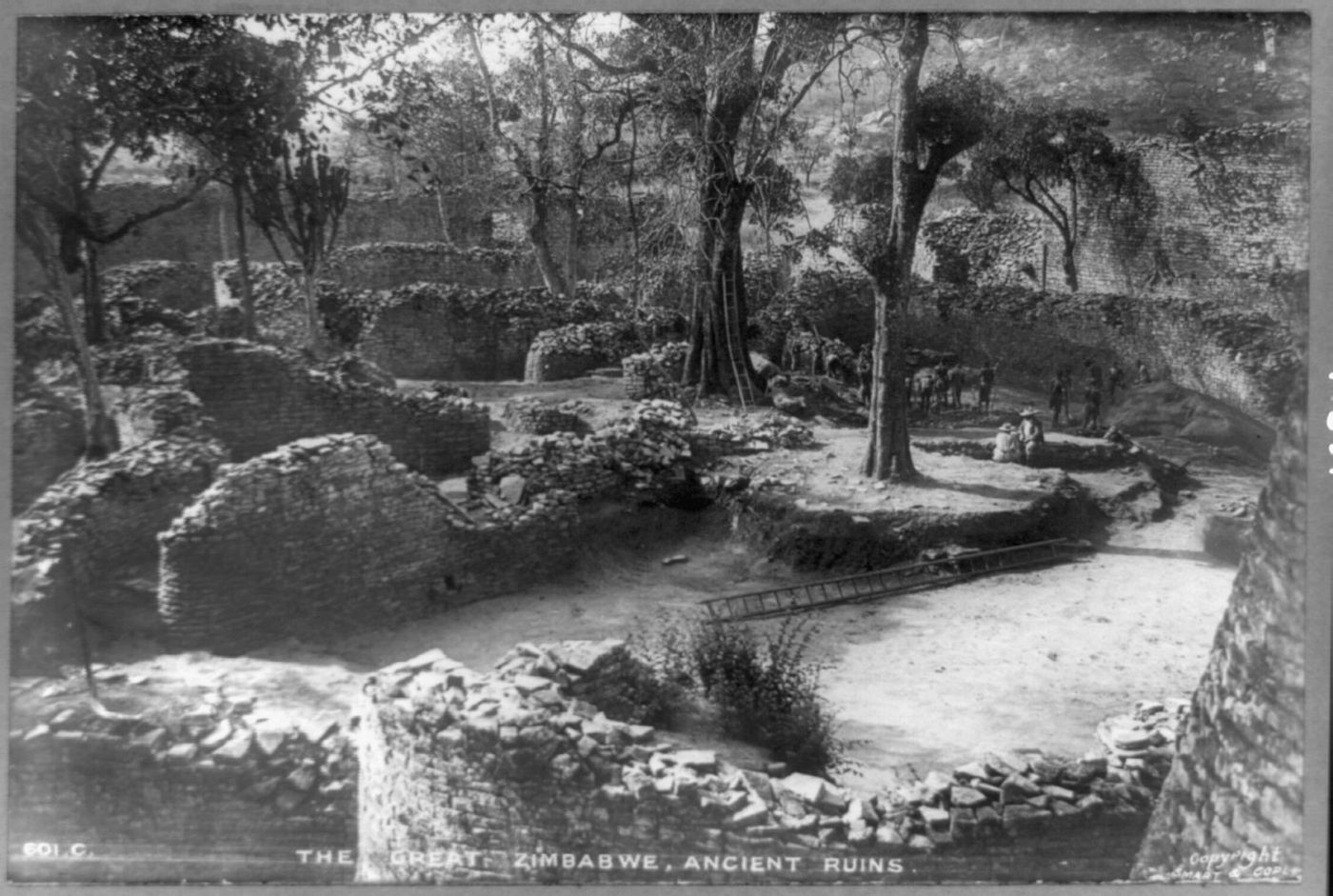
The Great Zimbabwe ruins
Frank and Frances Carpenter Collection, Library of Congress · Public domain — The granite walls and conical tower, photographed in the early 20th century. Built without mortar by the ancestors of the Shona. View at source →
Frank and Frances Carpenter Collection, Library of Congress · Public domain — The granite walls and conical tower, photographed in the early 20th century. Built without mortar by the ancestors of the Shona. View at source →
Evidence: ✓ Confirmed by archaeology
Built11th–15th century
BuildersAncestors of the Shona people
EvidenceArchaeology, radiocarbon dating, Chinese & Persian trade goods
MythColonists claimed foreigners built it — archaeology proved them wrong
A City of Stone
Great Zimbabwe is a complex of granite walls and towers — some 11 metres high — assembled without mortar, stone on stone. At its height it may have housed tens of thousands of people and ruled a trading network that reached the Indian Ocean.
Gold, Ivory and the Ocean Trade
Excavations found Chinese celadon, Persian pottery and Arabian glass beads — proof that this inland city was a major node of the Indian Ocean trade, exporting gold and ivory.
The Colonial Myth and Its End
Europeans who saw the ruins refused to believe Africans had built them, inventing Phoenician and “Semitic” builders. Decades of archaeology settled it: Great Zimbabwe was built by the ancestors of the Shona. The site gives its name to the country that honours it — Zimbabwe.
What The Sources Say
⭐ UNESCO
UNESCO World Heritage No. 364
whc.unesco.org/en/list/364 — official documentation
⭐ National archive
National Museums and Monuments of Zimbabwe
Official heritage record and site management
⭐ Academic monograph
Chirikure, S. — Great Zimbabwe: Reclaiming a ‘Confiscated’ Past
The leading modern archaeological study
💡 Did you know? The soapstone birds carved at Great Zimbabwe became the national emblem of modern Zimbabwe.
This page is part of the AfriLore Encyclopedia — every claim labelled: ✓ Verified Fact · 🗣️ Oral Tradition · ⚖️ Historical Debate.
AfriLore Productions · The Voice of Africa · afrilore.org · © 2026 Lois Chukwu