🛡️
Shaka Zulu
“The Military Genius Who Forged a Nation”
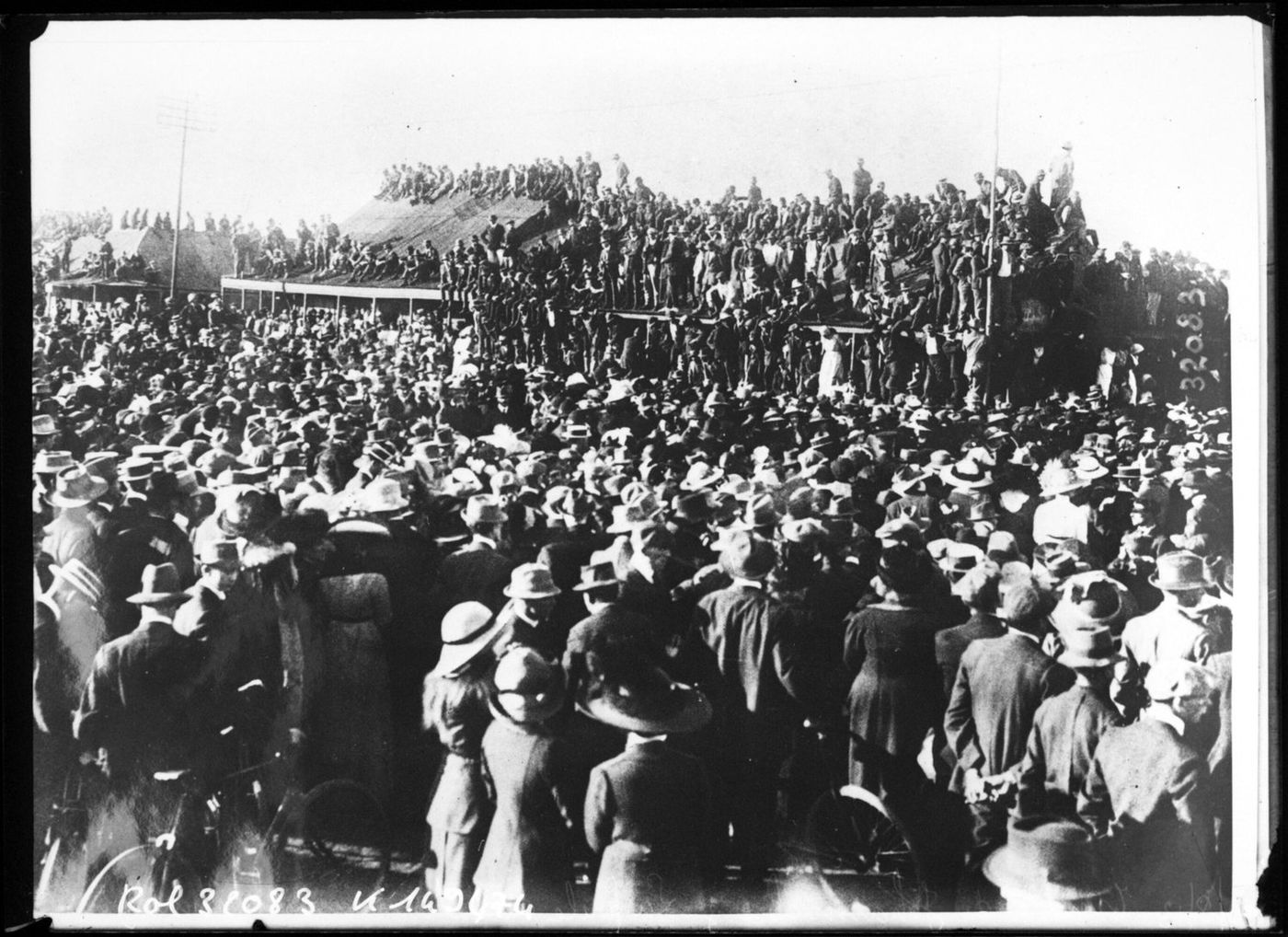
Johannesburg, 1913 — early 20th-century South Africa
Agence Rol, French national archives · Public domain — Southern Africa in the period after Shaka. The Zulu kingdom he forged still exists within South Africa today. View at source →
Agence Rol, French national archives · Public domain — Southern Africa in the period after Shaka. The Zulu kingdom he forged still exists within South Africa today. View at source →
Evidence: ⚖️ Oral tradition + contemporary European accounts (disputed details)
Ruledc. 1816–1828
KingdomZulu — from a small clan to a powerful nation
EvidenceZulu oral tradition + contemporary European accounts
LegendThe iklwa short spear and the bull-horn formation
Exile and Return
Shaka grew up in exile after his parents’ marriage was rejected. He served as a warrior in the Mthethwa chiefdom, where his talent was noticed, and after his father’s death returned to take the Zulu chieftainship — a small clan of perhaps 1,500 people.
The Bull-Horn
Shaka transformed Zulu warfare: a shorter thrusting spear (iklwa), a larger shield, and the “bull-horn” formation that enveloped enemies. Within a decade the Zulu absorbed dozens of chiefdoms into a single powerful nation.
A Legacy Disputed
Historians still argue over the scale of the upheaval (the Mfecane) and Shaka’s own brutality — the oral record and the European accounts disagree on many details. The balanced reading: a brilliant military innovator whose unification changed southern Africa forever.
What The Sources Say
⭐ Oral tradition
Zulu oral tradition
Collected in the 19th century by missionaries and administrators — read critically
⭐ Academic monograph
Omer-Cooper, J.D. — The Zulu Aftermath (1966)
The classic academic study of the Mfecane
⭐ UNESCO
UNESCO General History of Africa Vol. 6
unesdoc.unesco.org — southern Africa in the 19th century
💡 Did you know? The name Zulu means “sky” — Shaka’s people called themselves the people of the heavens.
This page is part of the AfriLore Encyclopedia — every claim labelled: ✓ Verified Fact · 🗣️ Oral Tradition · ⚖️ Historical Debate.
AfriLore Productions · The Voice of Africa · afrilore.org · © 2026 Lois Chukwu