🇧🇯 Benin
Historical Photographs
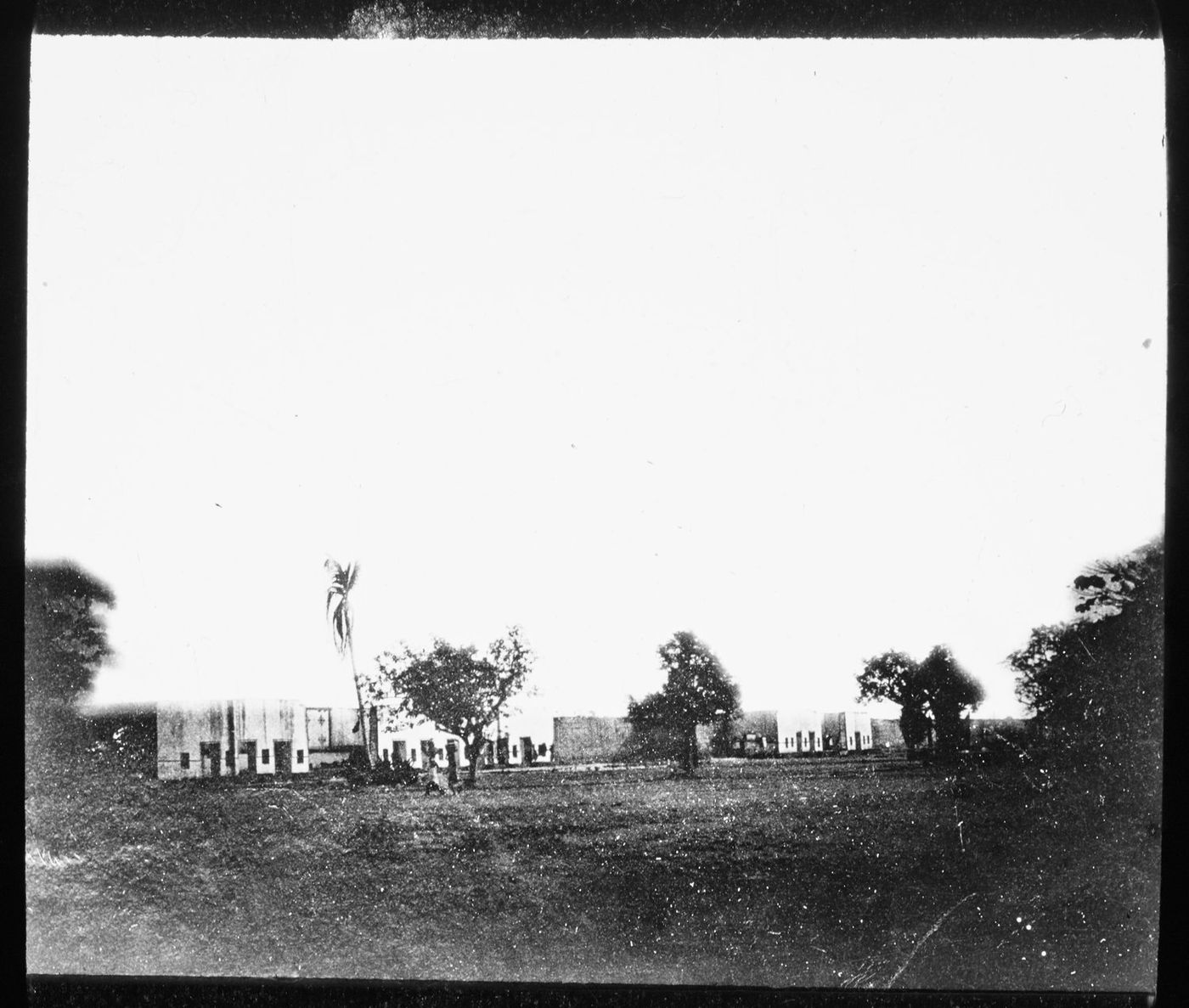
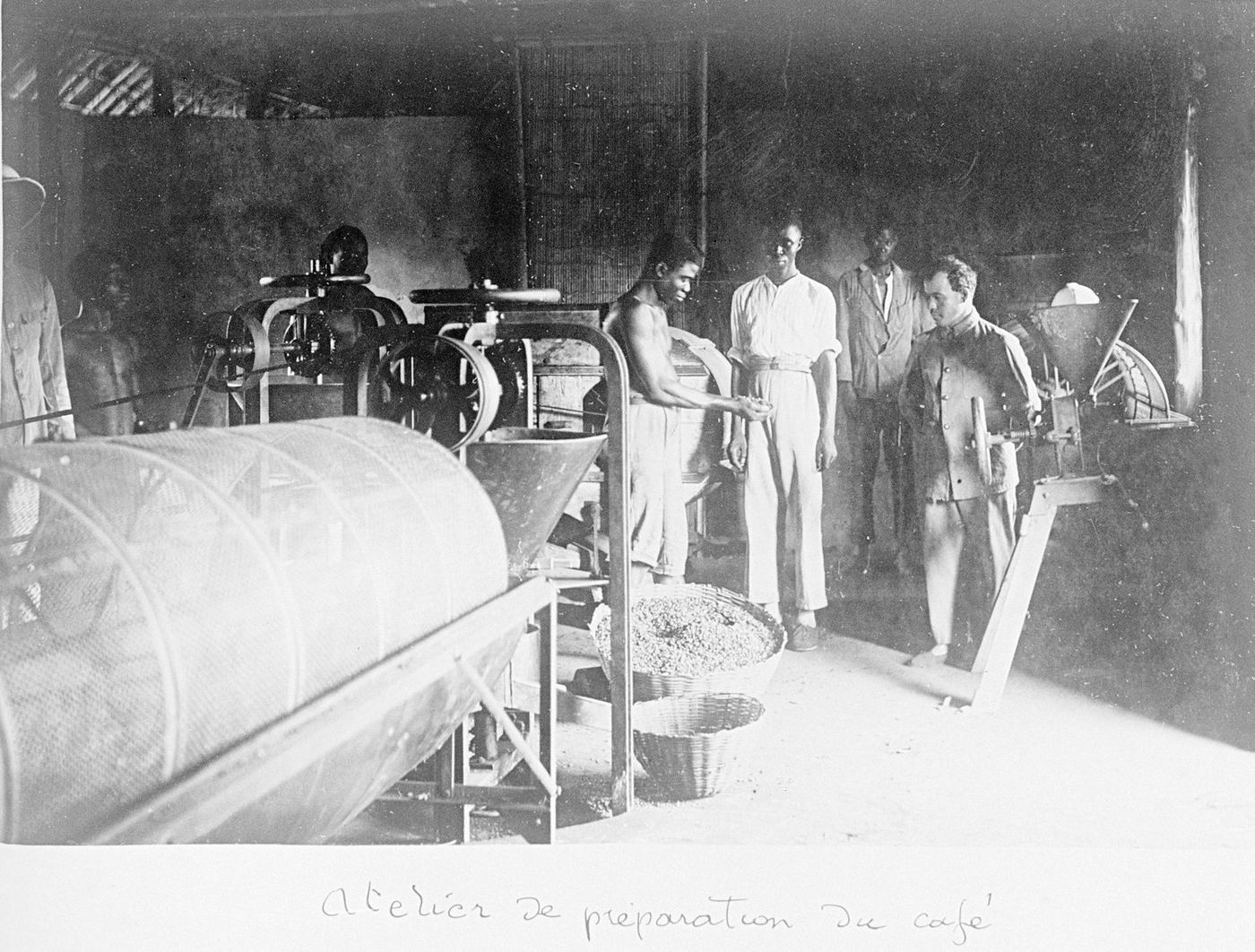
Real photographs from the archives — not reconstructions. Each image is public domain and credited to its collection. Grainy, damaged and imperfect: that is what history looks like.
Images sourced from Wikimedia Commons (public domain or CC0). Attribution and licence shown with each photograph.
Quick Facts
Before Colonial Rule
Kingdom of Dahomey
Founded around 1600 by the Fon people, Dahomey grew into one of West Africa’s most centralised and militarised states. Under King Agaja (r. c.1718–1740) it conquered Allada and Whydah, gaining direct access to the Atlantic coast.
The Agojie
Dahomey’s royal women soldiers — the Agojie, called “Amazons” by Europeans — were a standing force thousands strong, trained like male soldiers. They fought in every major campaign, including the last stand against France in the 1890s.
A difficult truth
Dahomey’s power was bound up with the Atlantic slave trade it controlled and profited from. Historians debate how central it was to the kingdom’s economy ⚖️ — AfriLore tells both sides, hiding nothing.
The Colonial Period
French conquest
French forces invaded in 1892–1894. King Béhanzin resisted, then was exiled. Dahomey became part of French West Africa, with Abomey’s palaces stripped of their treasures.
Colonial rule
French rule reorganised the economy around cash crops and forced labour, and Dahomey became a source of educated administrators for other French colonies.
Towards independence
After the Second World War, political parties formed and Dahomey gained autonomy within the French Community before full independence in 1960.
Independence & The Modern Nation
Independence, 1960
Hubert Maga became the first president of the Republic of Dahomey on 1 August 1960.
Years of coups
Between 1963 and 1972 Dahomey endured repeated coups and rotating leadership — several presidents in a decade.
The Marxist era
In 1972 Mathieu Kérékou seized power and declared a Marxist-Leninist state; the country was renamed Benin in 1975 after the Bight of Benin.
Democracy, 1990
Benin became the first African country in that wave to move from military-Marxist rule to multiparty democracy via a sovereign national conference.
Today
Patrice Talon governed from 2016 to 2026; Romuald Wadagni won the April 2026 presidential election and took office as his successor.
Leaders & Heads of State
Every head of state since Benin became independent — how each came to power and how each left. Dates are standard reference dates; where historians or records disagree, we say so.
| Leader | In office | How they came to power | How they left |
|---|---|---|---|
| Hubert Maga | 1960–1963 | President at independence | Deposed in a coup |
| Christophe Soglo | 1963–1964 | Led the coup; headed a provisional government | Handed power back to civilians |
| Sourou-Migan Apithy | 1964–1965 | Elected President | Deposed in a coup |
| Justin Ahomadégbé-Tomêtin | 1965 | Succeeded to the presidency | Deposed after two days |
| Tahirou Congacou | 1965 | Head of a provisional government | Deposed in a coup |
| Christophe Soglo | 1965–1967 | Coup | Deposed in a coup |
| Maurice Kouandété | 1967–1969 | Led coups; briefly head of state | Lost power in factional struggles |
| Émile Derlin Zinsou | 1968–1969 | Installed as President | Deposed in a coup |
| Paul-Émile de Souza | 1969–1970 | Headed a military directory | Handed over to a civilian council |
| Presidential Council | 1970–1972 | Three leaders (Maga, Ahomadégbé, Apithy) rotated the presidency | Overthrown in the 1972 coup |
| Mathieu Kérékou | 1972–1991 | Coup; then Marxist-Leninist ruler (renamed Benin 1975) | Lost the 1991 election — a rare voluntary exit |
| Nicéphore Soglo | 1991–1996 | Elected 1991 | Defeated in the 1996 election |
| Mathieu Kérékou | 1996–2006 | Elected; re-elected 2001 | Completed two terms and stepped down |
| Thomas Boni Yayi | 2006–2016 | Elected 2006; re-elected 2011 | Completed two terms |
| Patrice Talon | 2016–2026 | Elected 2016; re-elected 2021 | Completed two terms; survived a coup attempt in December 2025 |
| Romuald Wadagni | 2026–present | Elected April 2026 (succeeding Talon) | In office |
Modern & Present
Security
Northern Benin faces jihadist incursions: an attack in 2025 killed dozens of soldiers, and a December 2025 coup attempt was put down with Nigerian assistance.
Economy
One of West Africa’s faster-growing economies (GDP growth about 7% in 2024), though poverty and inequality remain.
Restitution
The 2021 return of 26 looted royal treasures by France, and the Abomey palaces’ UNESCO status, have brought Dahomey’s heritage home.
Go To The Archives Yourself
We show our sources — and these are the real archives where you can check us, free. Every archive below holds original photographs, documents and records.
People & Culture
Peoples
Fon, Yoruba (Nagot), Bariba, Dendi, Peul (Fulani), Somba and others.
Faith
Vodun (Voodoo) originated here and remains widely practised alongside Christianity and Islam; 10 January is National Vodun Day.
Food
Amiwo (corn dough), kuli-kuli, akassa, wagasi cheese and grilled fish.