🇨🇩 DR Congo
Historical Photographs
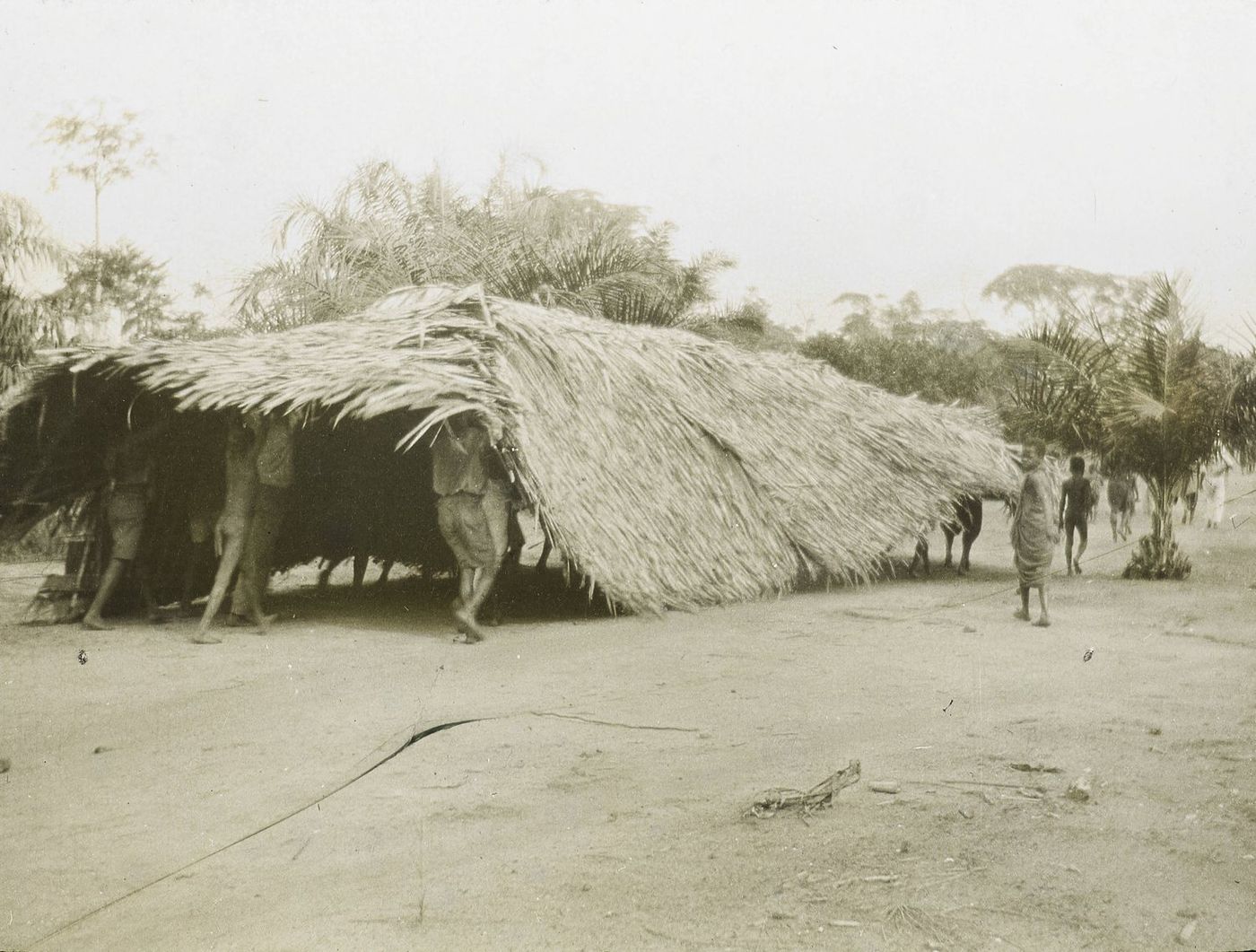
Real photographs from the archives — not reconstructions. Each image is public domain and credited to its collection. Grainy, damaged and imperfect: that is what history looks like.
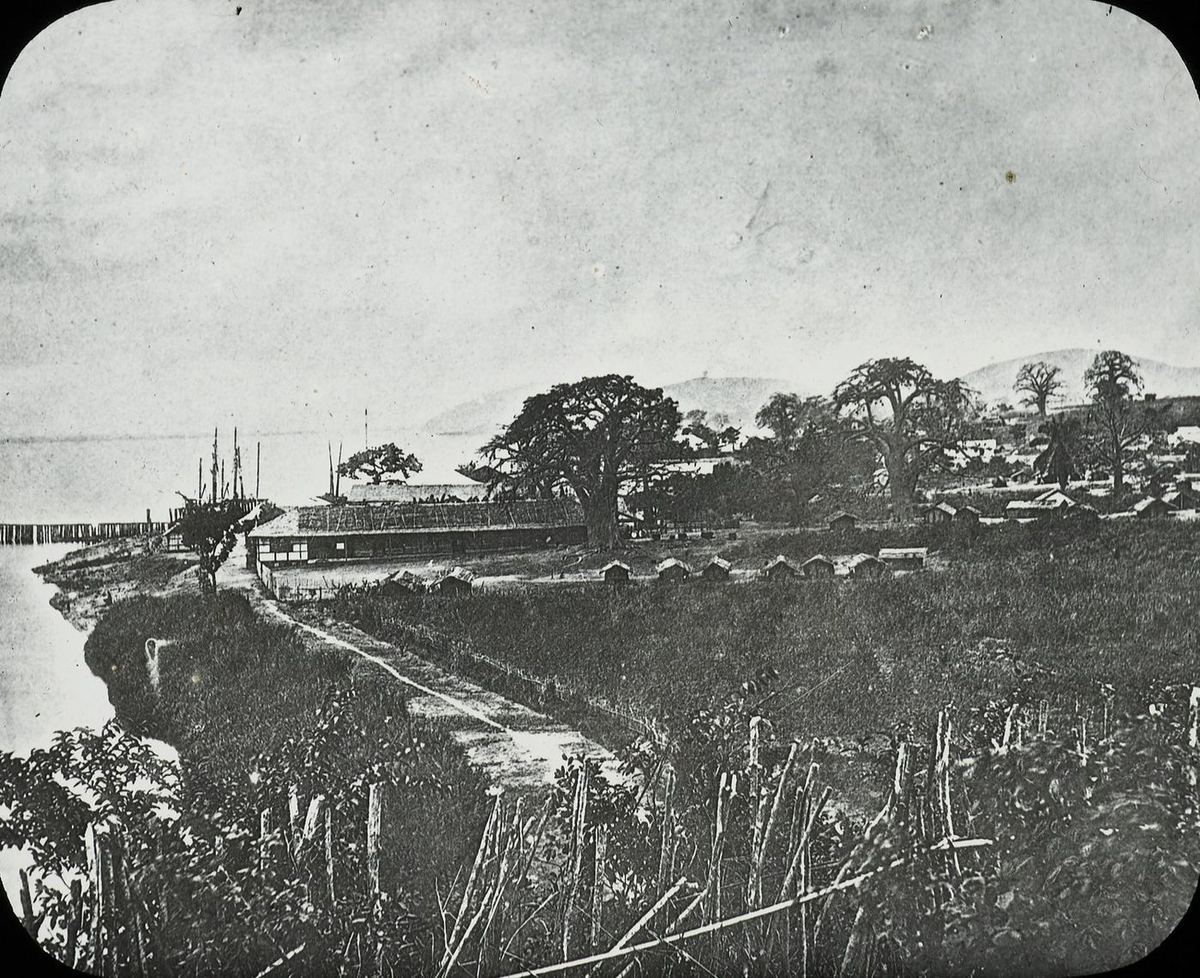
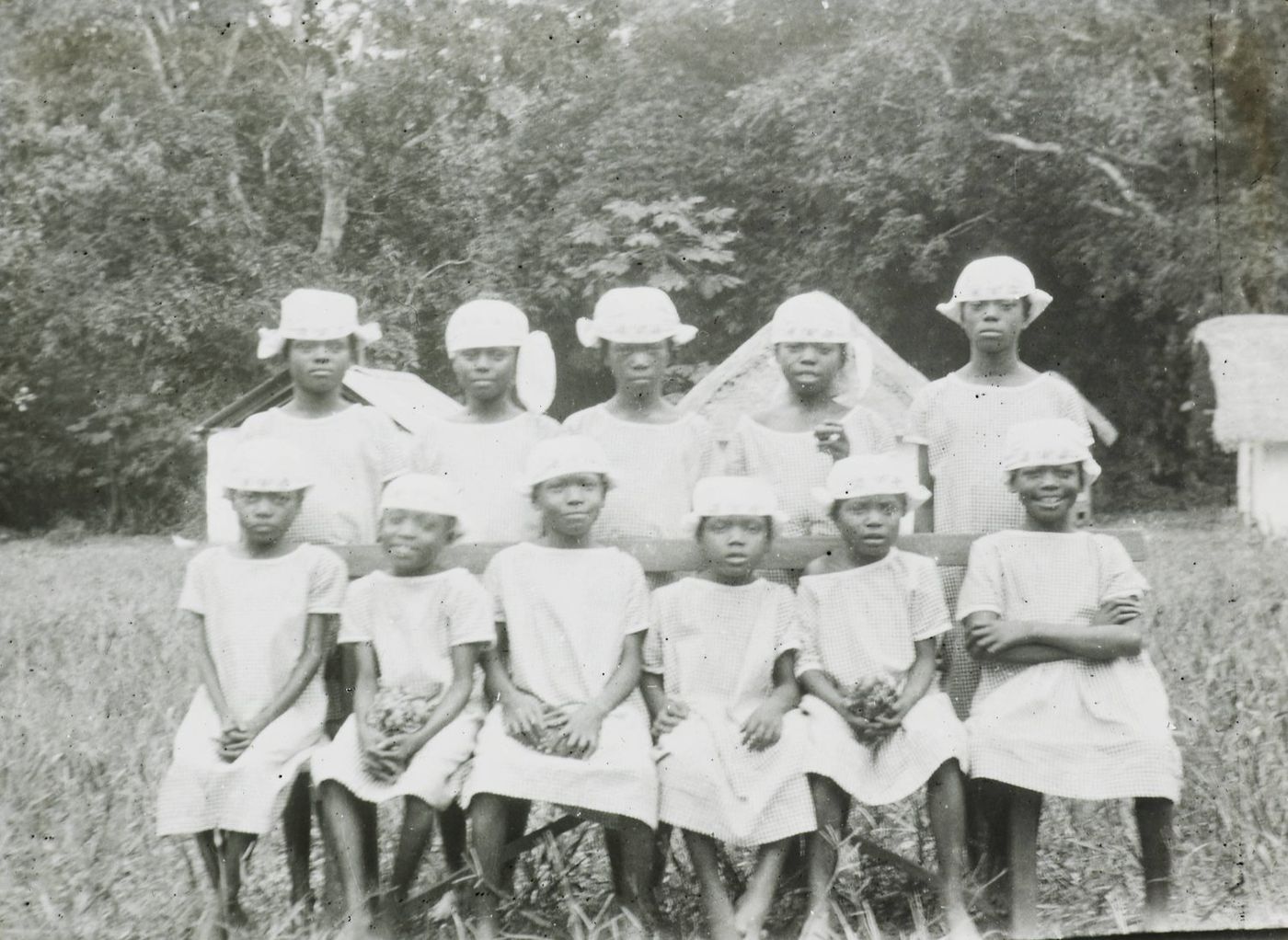
Images sourced from Wikimedia Commons (public domain or CC0). Attribution and licence shown with each photograph.
Quick Facts
Before Colonial Rule
Kingdom of Kongo
From around 1390, the Kingdom of Kongo — based at Mbanza Kongo, north of the Congo River’s mouth — was a centralised African state with a sophisticated court that engaged European powers as equals. Its king Afonso I wrote letters to the Portuguese crown in the 16th century protesting the slave trade.
Kuba, Luba and Lunda
Further inland, the Kuba confederacy produced some of Africa’s finest raffia textiles and carved royal masks; the Luba and Lunda states developed complex political and religious systems whose influence spread across central Africa.
Trade and the Atlantic
Kongo and its neighbours were deeply affected by the Atlantic slave trade — some kingdoms grew wealthy through it while others were hollowed out; historians weigh the balance carefully ⚖️.
The Colonial Period
Congo Free State, 1885–1908
King Leopold II of Belgium ruled the territory personally as the Congo Free State. Forced rubber collection produced a catastrophe: historians estimate several million deaths ⚖️ (estimates vary widely). Congo was annexed by Belgium in 1908 after international outcry.
Belgian Congo
Belgium governed until 1960 with a system that restricted education and political rights, while extracting copper, cobalt, diamonds and gold.
Independence and crisis
Patrice Lumumba became the first Prime Minister on 30 June 1960; within months the army mutinied, Katanga seceded, and Lumumba was deposed, then murdered in January 1961 — a death that shaped modern African politics.
Independence & The Modern Nation
The Mobutu years
With Western backing, Joseph-Désiré Mobutu took power in 1965 and ruled for 32 years, renaming the country Zaire in 1971. Characterised by extreme personal wealth alongside national decline, his regime collapsed in 1997.
Wars of the 1990s
Laurent-Désiré Kabila marched on Kinshasa in 1997; a second war from 1998 to 2003, involving as many as nine African countries and many armed groups, became the deadliest conflict since the Second World War, with millions of excess deaths from violence, hunger and disease ⚖️ (estimates vary).
Multi-party politics
Joseph Kabila inherited the presidency in 2001 and held power until 2019, when Félix Tshisekedi became president after a contested election — DRC’s first peaceful transfer since 1960.
Today
Tshisekedi was re-elected in December 2023. Conflict continues in the east, with M23 and other armed groups; the DRC also sits on the world’s largest reserves of cobalt, vital to electric vehicles.
Leaders & Heads of State
Every head of state since DR Congo became independent — how each came to power and how each left. Dates are standard reference dates; where historians or records disagree, we say so.
| Leader | In office | How they came to power | How they left |
|---|---|---|---|
| Joseph Kasavubu | 1960–1965 | President at independence (ABAKO) | Deposed in Mobutu’s 1965 coup |
| Patrice Lumumba | Jun–Sep 1960 | First Prime Minister (elected) | Deposed; murdered in January 1961 |
| Joseph-Désiré Mobutu (Mobutu Sese Seko) | 1965–1997 | Coup; renamed the country Zaire in 1971 | Forced out by rebels in 1997; died in exile |
| Laurent-Désiré Kabila | 1997–2001 | Led the rebel alliance that took Kinshasa | Assassinated in January 2001 |
| Joseph Kabila | 2001–2019 | Succeeded his father; elected 2006 and 2011 | Stepped down in 2019 |
| Félix Tshisekedi | 2019–present | Elected 2018; re-elected December 2023 | In office |
Modern & Present
Conflict in the east
M23 and allied groups have seized territory in North Kivu; the fighting has displaced millions and drawn in regional involvement.
Resources
The DRC produces about two-thirds of the world’s cobalt and significant copper, gold, tin and coltan — making its stability a global concern.
Culture
Congolese rumba (UNESCO-listed) and soukous shaped music across Africa; Kinshasa is one of the continent’s great cultural capitals.
Go To The Archives Yourself
We show our sources — and these are the real archives where you can check us, free. Every archive below holds original photographs, documents and records.
People & Culture
Peoples
Mongo, Luba, Kongo, Rwanda-Burundi communities, Lunda, Bangi, Kuba, Mangbetu and more — over 200 groups.
Faith
Christian majority (Catholic, Protestant, Kimbanguist), with significant Muslim and traditional practice.
Food
Pondu, moambe chicken, fufu, grilled tilapia and kwanga.