🇪🇬 Egypt
Historical Photographs
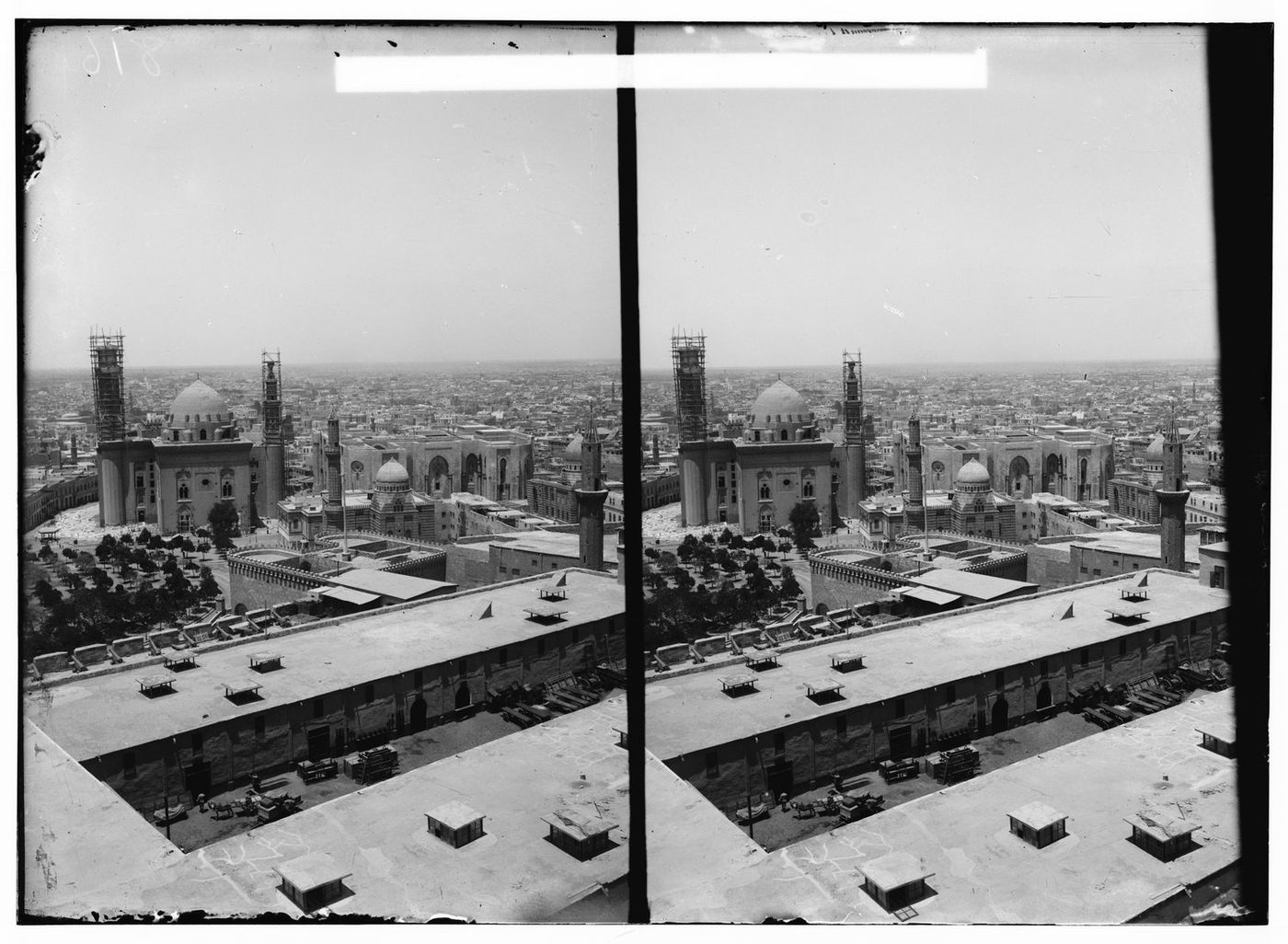
Real photographs from the archives — not reconstructions. Each image is public domain and credited to its collection. Grainy, damaged and imperfect: that is what history looks like.
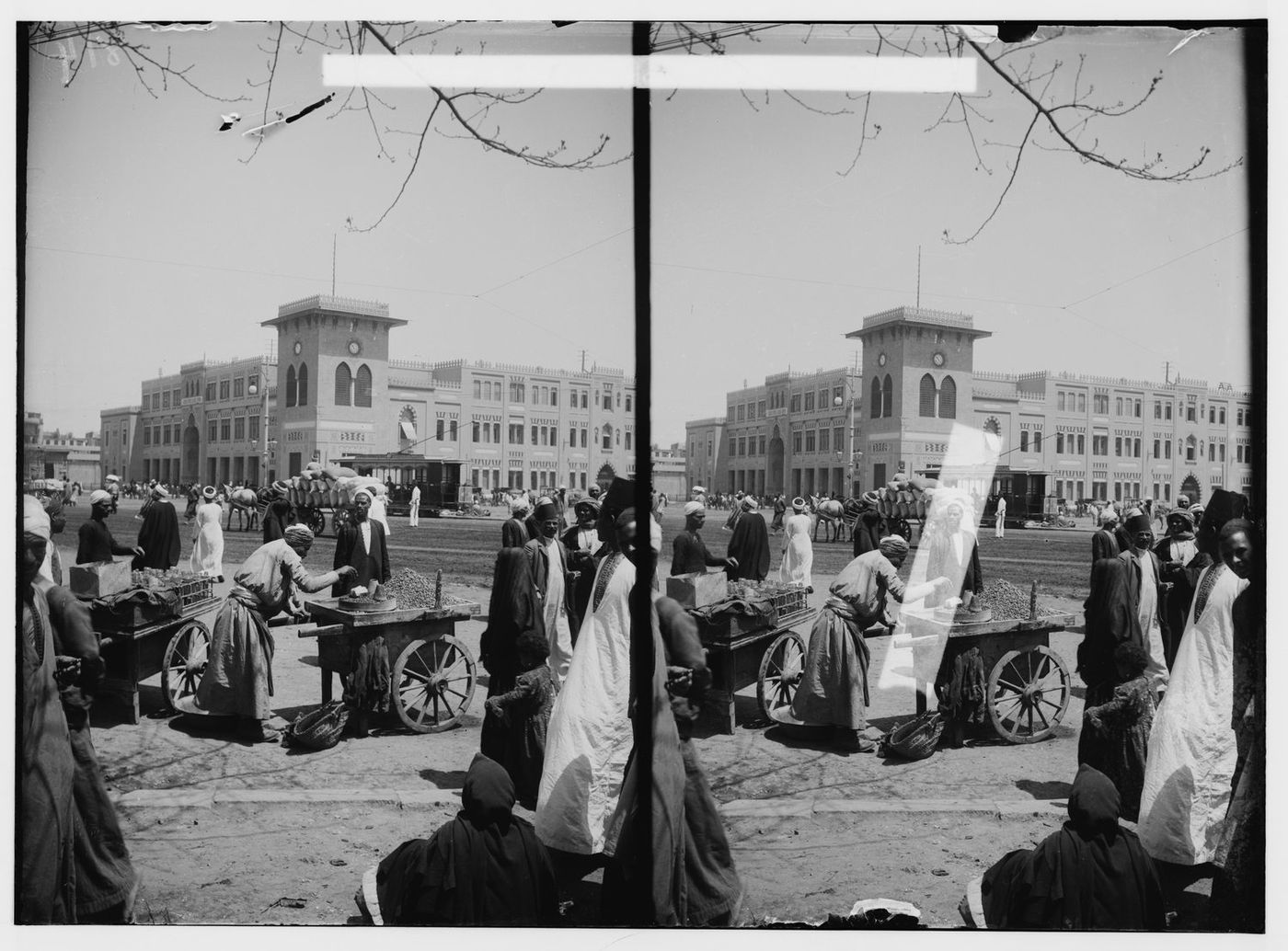
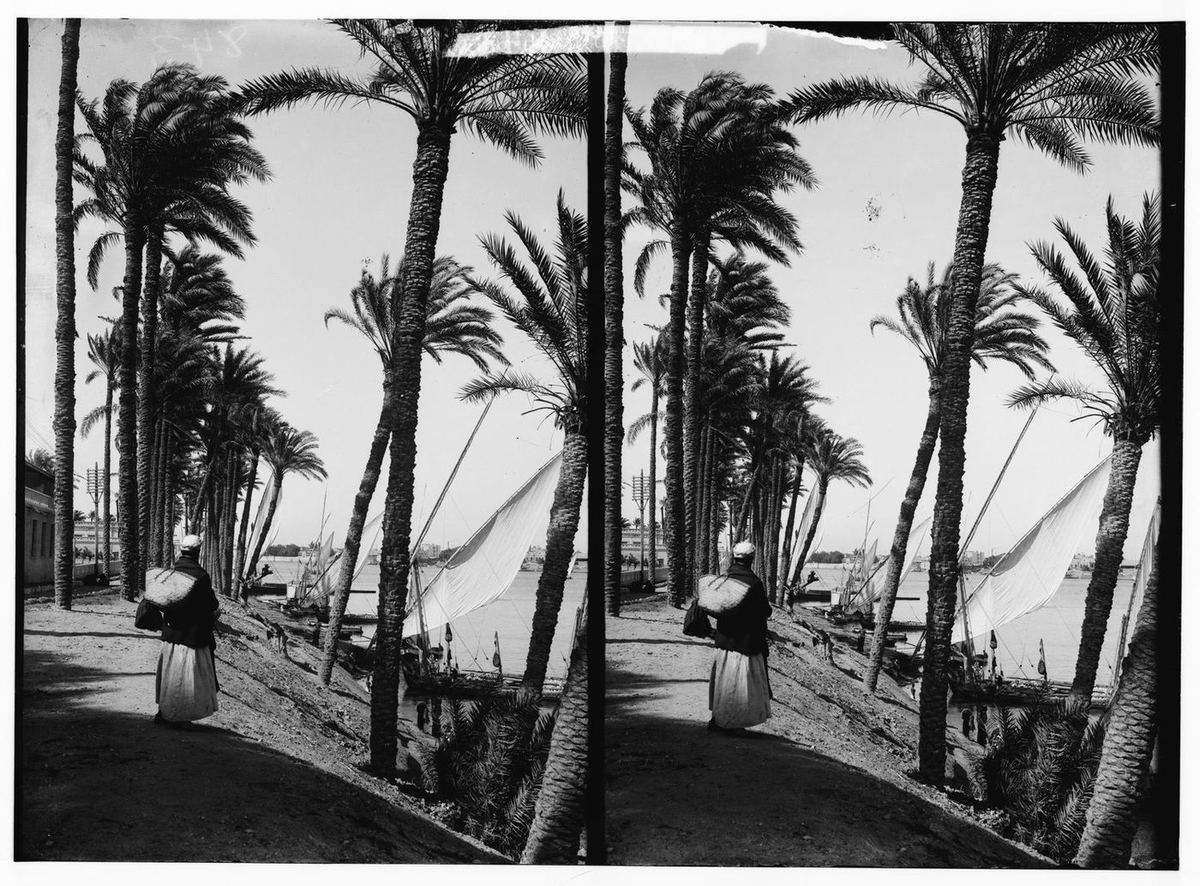
Images sourced from Wikimedia Commons (public domain or CC0). Attribution and licence shown with each photograph.
Quick Facts
Before Colonial Rule
Kemet: the Black Land
Ancient Egyptians called their country Kemet, “the black land” — the fertile soil of the Nile. Narmer unified Upper and Lower Egypt around 3100 BC, creating one of the world’s first centralised states. Pyramids, hieroglyphs and a bureaucratic state followed.
Nubia and the 25th Dynasty
South of Egypt lay Nubia, whose kingdoms — Kerma, Napata, Meroë — were African powers in their own right. In the 8th century BC the Kushite king Piye conquered Egypt, founding the 25th Dynasty; the later queen Amanirenas fought Rome to a negotiated peace.
Ptolemaic Egypt
After Alexander’s conquest, the Ptolemaic dynasty ruled from Alexandria, and its libraries made the city the intellectual capital of the ancient world. Cleopatra VII, its last active ruler, was defeated by Rome in 31 BC.
The Colonial Period
Arab conquest and Islam
Arab armies took Egypt in 641 AD; over centuries it became a Muslim Arab-majority society while Coptic Christianity endured.
Ottoman and Mamluk rule
From 1517 Egypt was an Ottoman province ruled in practice by Mamluk elites, until Napoleon’s brief occupation (1798–1801).
Muhammad Ali and the British
Muhammad Ali’s dynasty modernised the army and economy from 1805. Britain occupied Egypt in 1882 to protect the Suez Canal, and declared a protectorate in 1914.
Independence & The Modern Nation
Independence, 1922
Egypt gained formal independence as a kingdom under King Fuad I; British influence over the military and canal continued.
1952 revolution
The Free Officers overthrew King Farouk in 1952, ending the monarchy and eventually establishing a republic under Nasser.
Nationalisation and wars
Nasser nationalised the Suez Canal in 1956; Egypt fought wars with Israel in 1956, 1967 and 1973, and made peace in 1979.
Today
Egypt is the most populous Arab-majority country and a cultural powerhouse in film, music and scholarship — and is increasingly asserting its African role through the African Union.
Leaders & Heads of State
Every head of state since Egypt became independent — how each came to power and how each left. Dates are standard reference dates; where historians or records disagree, we say so.
| Leader | In office | How they came to power | How they left |
|---|---|---|---|
| Mohamed Naguib | 1953–1954 | Led the 1952 revolution’s first government; first President | Forced out by Nasser |
| Gamal Abdel Nasser | 1954–1970 | Consolidated power; elected President 1956 | Died in office, September 1970 |
| Anwar Sadat | 1970–1981 | Succeeded Nasser | Assassinated by Islamist militants, October 1981 |
| Hosni Mubarak | 1981–2011 | Succeeded Sadat; elected in successive referendums | Resigned after the 2011 revolution |
| Mohamed Hussein Tantawi | 2011–2012 | Chaired the Supreme Council of the Armed Forces | Handed power to an elected president |
| Mohamed Morsi | 2012–2013 | Elected 2012 (Muslim Brotherhood) | Deposed by the military after mass protests |
| Adly Mansour | 2013–2014 | Interim president appointed by the military | Handed over after the 2014 election |
| Abdel Fattah el-Sisi | 2014–present | Elected 2014; re-elected 2018 and 2023 | In office |
Modern & Present
Economy
The Suez Canal, tourism, remittances and gas are key. Currency devaluations and inflation have hit households hard since 2022.
Region
Egypt is a mediator in regional conflicts and a major military power.
Culture
Cairo’s film and music industries shaped Arab popular culture for a century; Al-Azhar is a global centre of Islamic scholarship.
Go To The Archives Yourself
We show our sources — and these are the real archives where you can check us, free. Every archive below holds original photographs, documents and records.
People & Culture
Peoples
Egyptians (mostly Arab-speaking), with Nubian, Bedouin, Coptic and other communities.
Heritage
Seven UNESCO World Heritage sites, including Memphis, Thebes, Abu Mena and historic Cairo.
Food
Koshari, ful medames, taameya, molokhia and honey pastries.