🇪🇹 Ethiopia
Historical Photographs
Real photographs from the archives — not reconstructions. Each image is public domain and credited to its collection. Grainy, damaged and imperfect: that is what history looks like.
Images sourced from Wikimedia Commons (public domain or CC0). Attribution and licence shown with each photograph.
Quick Facts
Before Colonial Rule
Aksum
From around the 1st century AD, Aksum in the northern highlands became one of the great trading powers of the ancient world — minting its own gold coinage alongside Rome, Persia and China, and adopting Christianity around 330 AD under King Ezana.
Lalibela and the Solomonic dynasty
The Zagwe dynasty carved eleven churches downward into rock at Lalibela in the 12th–13th centuries. From 1270 the Solomonic dynasty claimed descent from Solomon and the Queen of Sheba — the tradition recorded in the Kebra Nagast.
Highland kingdoms
Gondar’s castles, the Oromo gada system of governance, and the Muslim sultanates of the east all contributed to Ethiopia’s plural history.
The Colonial Period
The scramble and Adwa
At the Battle of Adwa in 1896, Emperor Menelik II’s forces defeated an invading Italian army — the decisive defeat of a European colonial power by an African state.
Occupation, 1936–41
Italy under Mussolini occupied Ethiopia from 1936, but never fully controlled it; Ethiopian and Allied forces restored Emperor Haile Selassie in 1941.
The imperial era ends
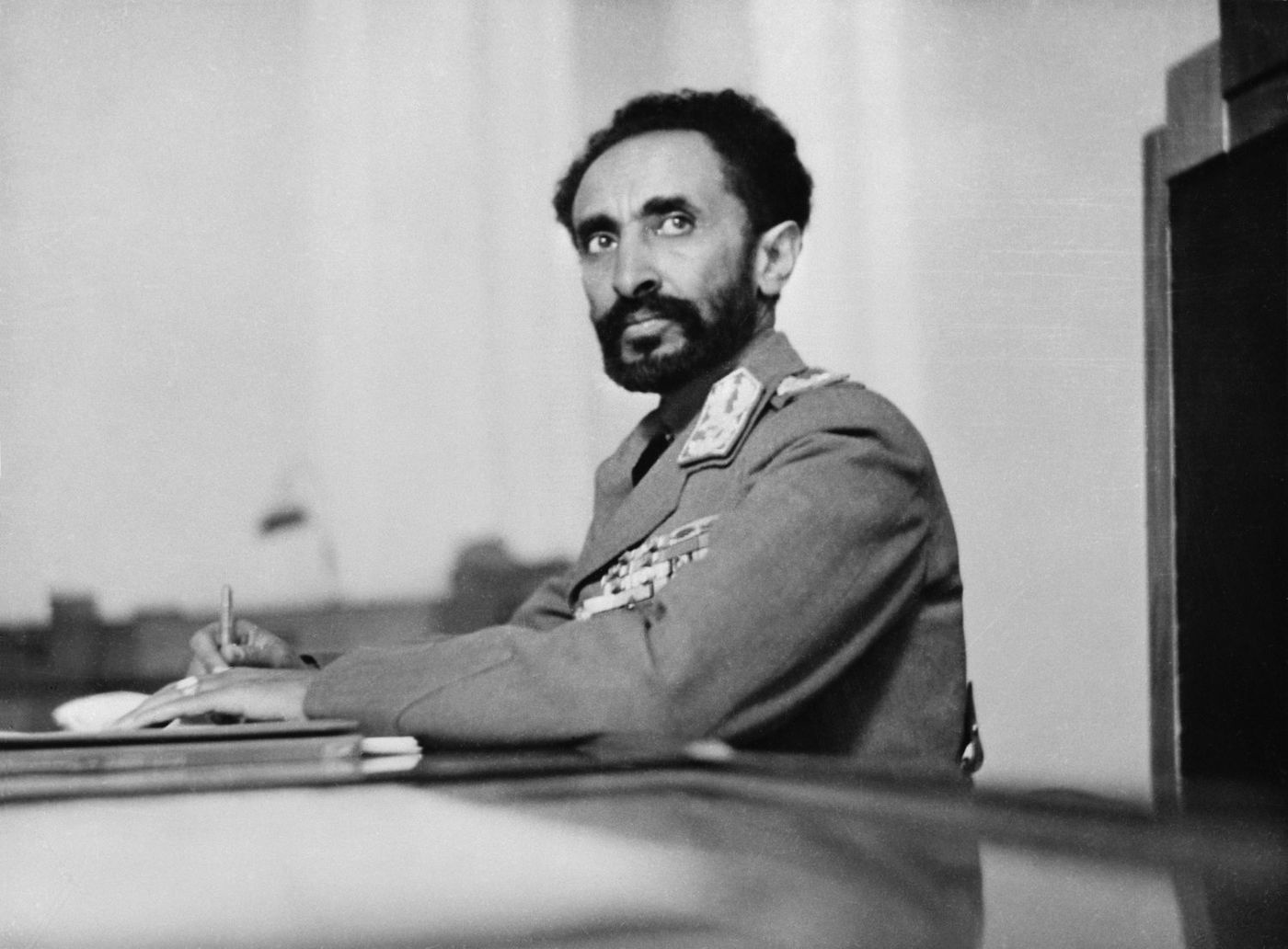
Haile Selassie ruled until 1974, when the Derg — a military committee — deposed him amid famine and unrest.
Independence & The Modern Nation
The Derg and civil war
Under Mengistu Haile Mariam (1977–1991) Ethiopia aligned with the Soviet Union and fought civil wars, including in Eritrea and Tigray, alongside the catastrophic famine of 1984–85.
1991 and after
The Derg fell in 1991; the EPRDF took power and Eritrea became independent in 1993. Meles Zenawi served as Prime Minister from 1995 until his death in 2012.
Reform and conflict
Abiy Ahmed became Prime Minister in 2018, won the 2019 Nobel Peace Prize for ending the war with Eritrea — then led Ethiopia through the Tigray war (2020–2022), ended by the Pretoria agreement.
Today
Ethiopia is Africa’s second most populous country, with rapid growth, major infrastructure projects including the Grand Renaissance Dam on the Nile, and unresolved internal conflicts.
Leaders & Heads of State
Every head of state since Ethiopia became independent — how each came to power and how each left. Dates are standard reference dates; where historians or records disagree, we say so.
| Leader | In office | How they came to power | How they left |
|---|---|---|---|
| Emperor Menelik II | 1889–1913 | Succeeded to the throne of Shewa and became Emperor | Died in office (Adwa victory 1896) |
| Emperor Haile Selassie | 1930–1974 | Crowned Emperor (regent from 1916) | Deposed by the Derg in 1974; died in detention 1975 |
| Lt-Col. Mengistu Haile Mariam | 1977–1991 | Chairman of the Derg (head of state from 1977) | Fled Ethiopia in 1991 |
| Meles Zenawi | 1995–2012 | Prime Minister of the Federal Democratic Republic | Died in office, August 2012 |
| Hailemariam Desalegn | 2012–2018 | Succeeded Meles as Prime Minister | Resigned amid unrest |
| Abiy Ahmed | 2018–present | Prime Minister (Prosperity Party) | In office — Nobel Peace Prize 2019 |
Modern & Present
Head of state
Ethiopia’s presidency is largely ceremonial; executive power lies with the Prime Minister. Taye Atske Selassie has been president since 2024.
Economy
Agriculture employs most workers; Ethiopia is pursuing industrial parks, hydropower and the Grand Ethiopian Renaissance Dam.
Culture
Coffee was domesticated in Ethiopia; the country’s music, jazz (Mulatu Astatke), running champions and Orthodox Christian traditions are globally recognised.
Go To The Archives Yourself
We show our sources — and these are the real archives where you can check us, free. Every archive below holds original photographs, documents and records.
People & Culture
Peoples
Oromo, Amhara, Somali, Tigrayan, Sidama, Afar, Gurage and 80+ other groups.
Language
Ethiopia has its own ancient script, Geʽez — writing African languages in African letters.
Faith
Ethiopian Orthodox Christianity, Islam, Protestantism and traditional beliefs; the Ark of the Covenant tradition centres on Aksum.