🇰🇪 Kenya
Historical Photographs
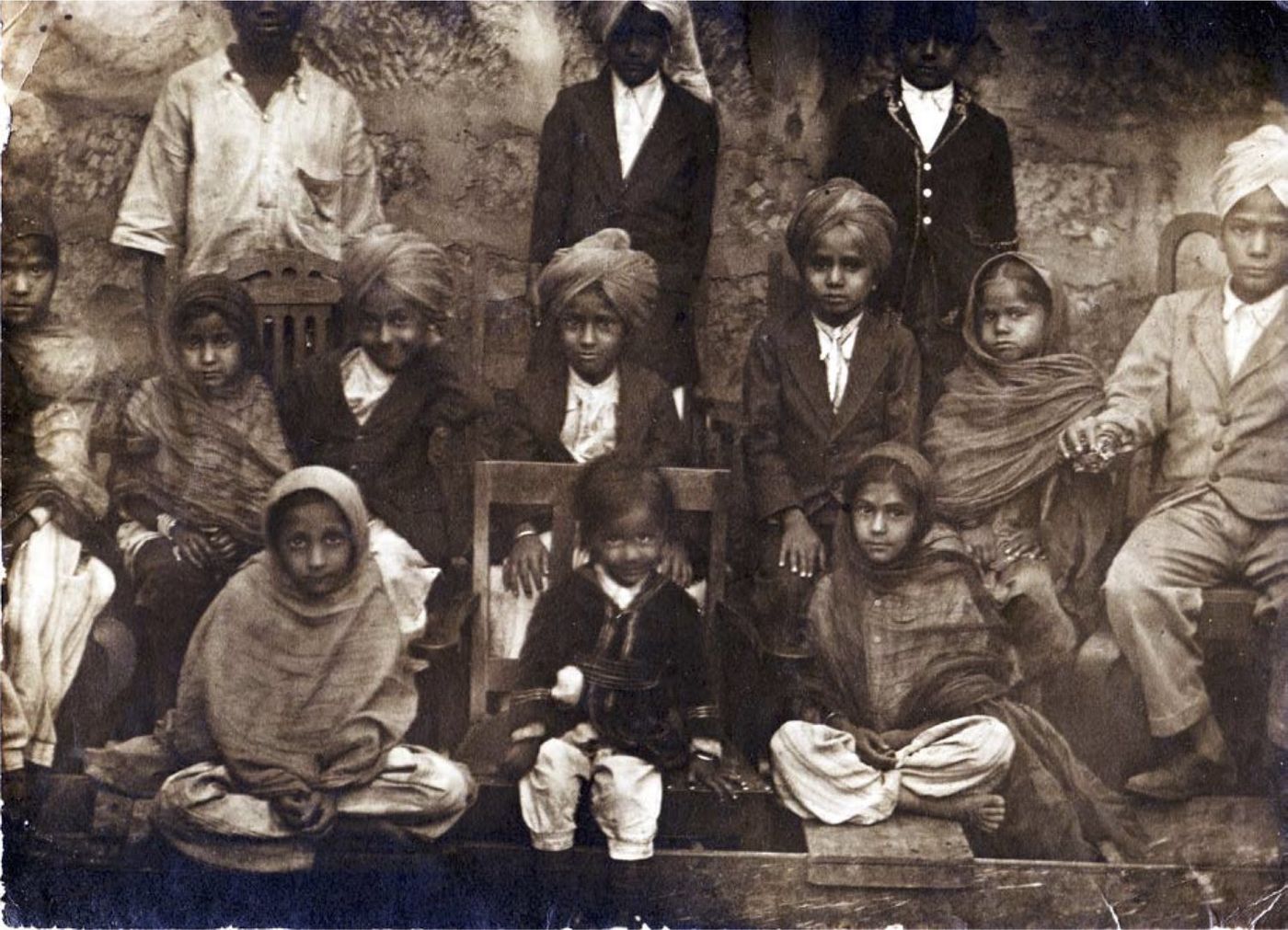
Real photographs from the archives — not reconstructions. Each image is public domain and credited to its collection. Grainy, damaged and imperfect: that is what history looks like.
Images sourced from Wikimedia Commons (public domain or CC0). Attribution and licence shown with each photograph.
Quick Facts
Before Colonial Rule
The Swahili coast
For over a thousand years, port cities such as Kilwa, Mombasa, Malindi and Lamu traded gold, ivory and cloth across the Indian Ocean, blending African, Arab and Persian influences into Swahili language and culture.
Fort Jesus and outside powers
Portuguese explorer Vasco da Gama reached the coast in 1498; Portugal built Fort Jesus at Mombasa in 1593. Omani rule followed in the 18th–19th centuries, and the Sultanate of Zanzibar controlled the coast into the colonial era.
Inland societies
The interior was home to decentralised and chiefly societies — Kikuyu, Luo, Luhya, Kalenjin, Maasai, Kamba and others — with their own governance, trade and pastoral or agricultural economies.
The Colonial Period
The British East Africa Protectorate
Britain declared a protectorate over the region in 1895, partly to control the source of the Nile and build a railway from Mombasa to Lake Victoria (1896–1901).
Land and the White Highlands
Colonial policy alienated fertile highland land for European settlers, displacing Kikuyu and others — the grievance at the heart of Kenyan nationalism.
Mau Mau
The Mau Mau uprising (1952–1960) was a guerrilla war, largely Kikuyu, against colonial rule and land theft. Jomo Kenyatta was tried and imprisoned at Kapenguria (1952–1961) before becoming the independence leader.
Independence & The Modern Nation
Independence, 12 December 1963
Kenya became independent with Jomo Kenyatta as Prime Minister, becoming a republic a year later with Kenyatta as President.
The Moi years
Daniel arap Moi ruled from 1978 to 2002, moving Kenya to a one-party state in 1982 before multiparty politics returned in 1991.
A new constitution, 2010
After the 2007–08 post-election violence, Kenya adopted a new constitution in 2010 that devolved power to 47 counties.
Today
Kenya is a regional hub for technology (“Silicon Savannah”), and one of Africa’s strongest economies — while facing debt and cost-of-living pressures.
Leaders & Heads of State
Every head of state since Kenya became independent — how each came to power and how each left. Dates are standard reference dates; where historians or records disagree, we say so.
| Leader | In office | How they came to power | How they left |
|---|---|---|---|
| Jomo Kenyatta | 1964–1978 | Prime Minister at independence; President from 1964 | Died in office, August 1978 |
| Daniel arap Moi | 1978–2002 | Succeeded Kenyatta as President (KANU) | Stepped down after 24 years, following the 2002 election |
| Mwai Kibaki | 2002–2013 | Elected 2002; re-elected 2007 (disputed) | Completed two terms after a power-sharing government |
| Uhuru Kenyatta | 2013–2022 | Elected 2013; re-elected 2017 | Completed two terms; handed over after the Supreme Court upheld the 2017 result |
| William Ruto | 2022–present | Elected 2022 | In office |
Modern & Present
The economy
Kenya hosts major tech, finance and logistics firms, and M-Pesa (launched 2007) made it the world leader in mobile money.
Debt and protest
The 2024 Finance Bill protests led to the bill’s withdrawal — a striking example of youth mobilisation reshaping policy.
Culture
Kenya is renowned for long-distance running, for the literary voices of Ngũgĩ wa Thiong’o, and for music from benga and taarab to gengetone.
Go To The Archives Yourself
We show our sources — and these are the real archives where you can check us, free. Every archive below holds original photographs, documents and records.
People & Culture
Peoples
More than 40 ethnic groups, including Kikuyu, Luhya, Kalenjin, Luo, Kamba, Kisii, Somali, Mijikenda and Maasai.
Faith
Predominantly Christian, with a significant Muslim minority along the coast, plus Indian Ocean cultural influence.
Food
Ugali with sukuma wiki or nyama choma, chapati, mandazi, and coastal Swahili dishes such as biryani and pilau.