🇲🇱 Mali
Historical Photographs
Real photographs from the archives — not reconstructions. Each image is public domain and credited to its collection. Grainy, damaged and imperfect: that is what history looks like.
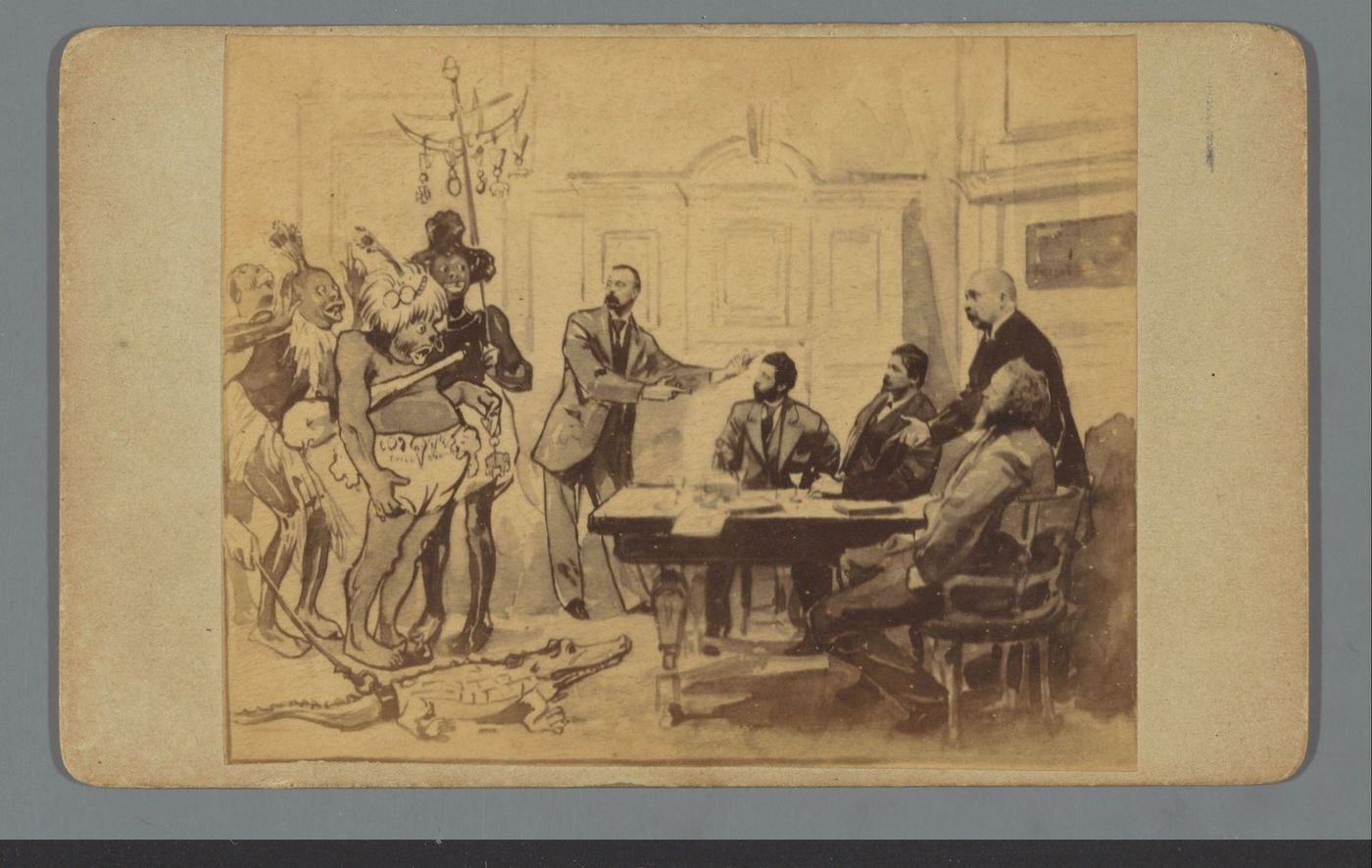
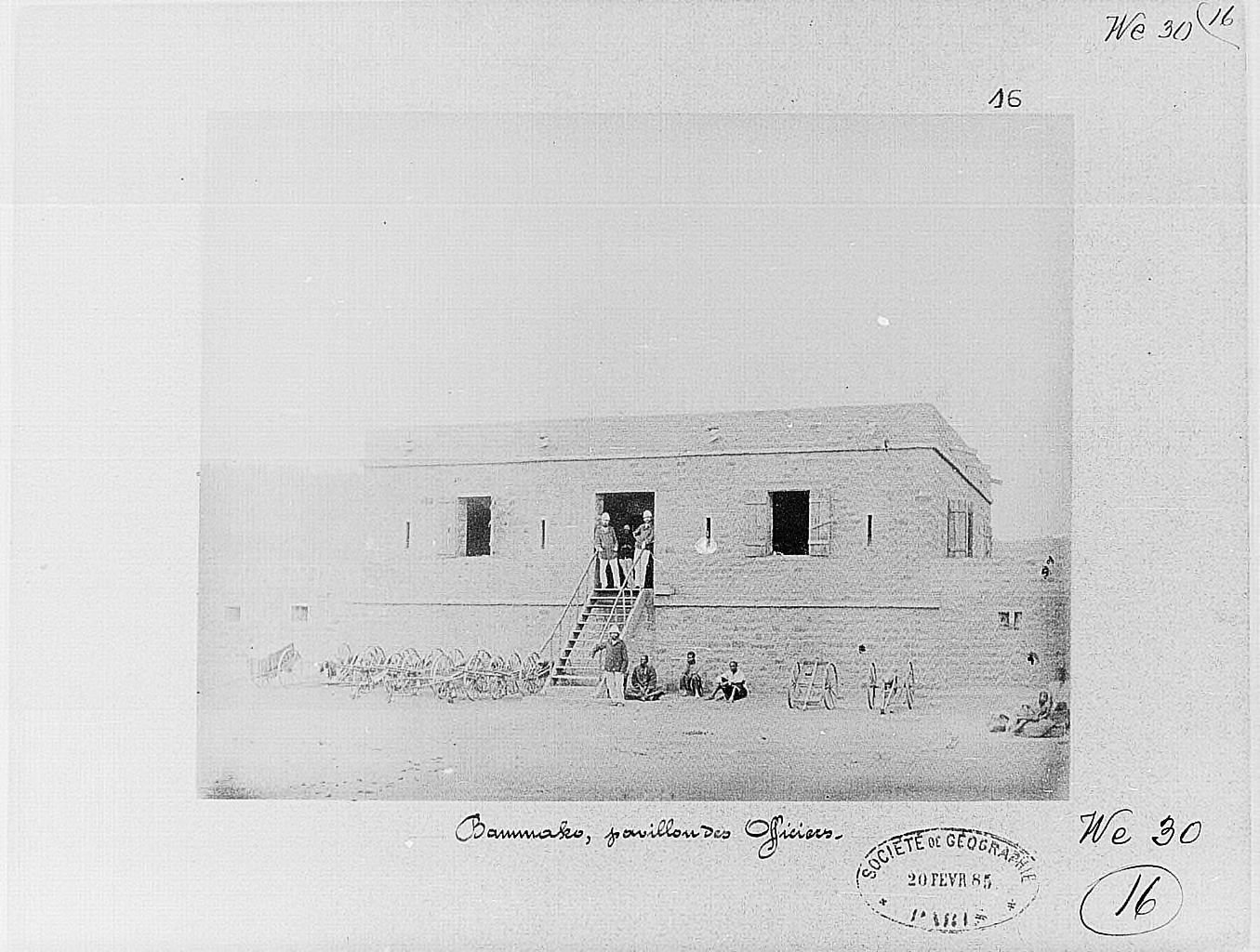
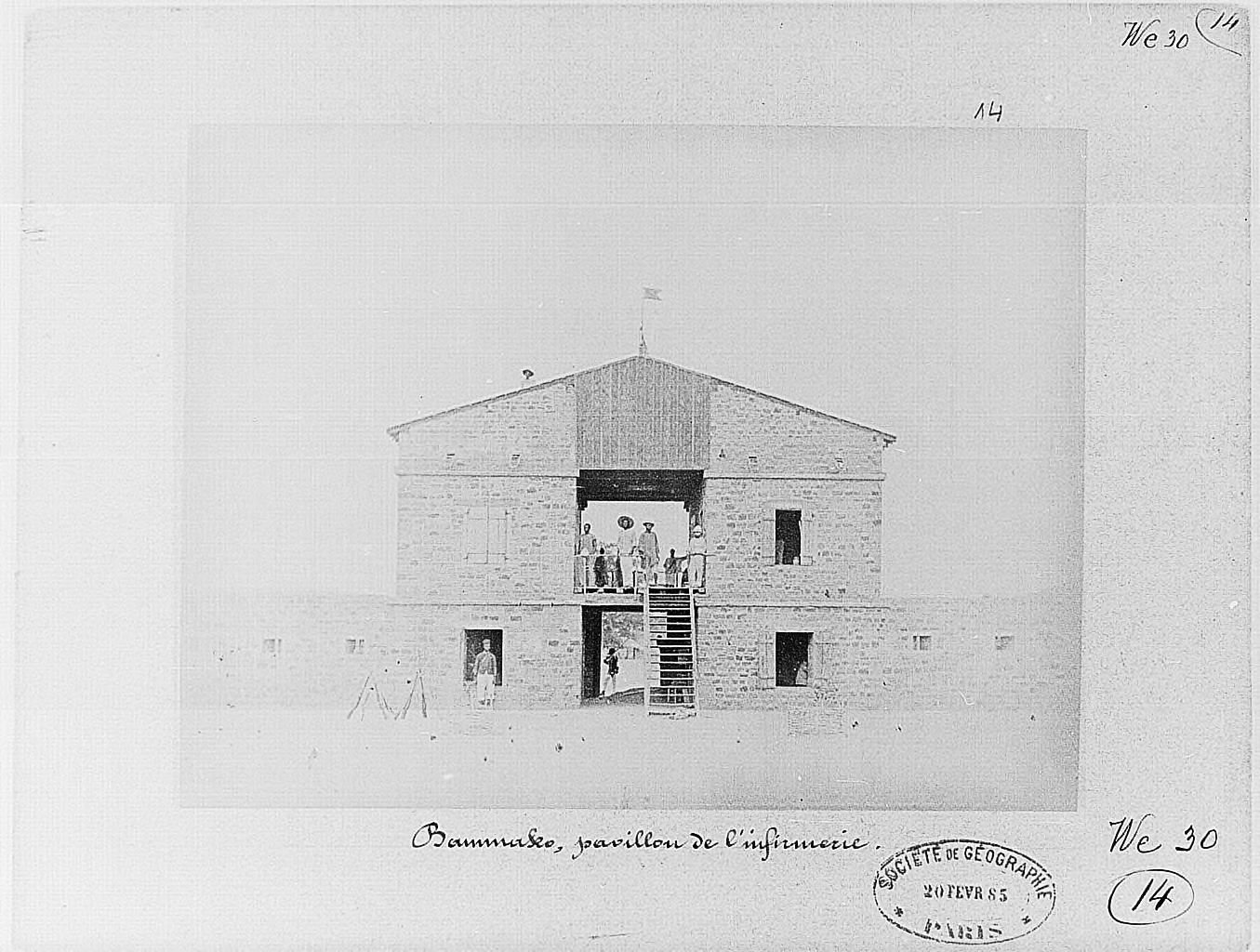
Images sourced from Wikimedia Commons (public domain or CC0). Attribution and licence shown with each photograph.
Quick Facts
Before Colonial Rule
The Mali Empire
Sundiata Keita’s victory at Kirina (1235) founded an empire that stretched across the Sahel, controlling the gold and salt trades. His descendant Mansa Musa (r. 1312–1337) made a pilgrimage to Mecca in 1324 that crashed the price of gold in Cairo for a decade — and put Africa on European maps.
Timbuktu and scholarship
Timbuktu became a centre of learning with the Sankore mosque and hundreds of thousands of manuscripts on astronomy, medicine, law and poetry.
Songhai and later kingdoms
The Songhai Empire under Askia Muhammad became the largest state in West Africa, before Moroccan invasion in 1591. Bambara kingdoms followed, and the Tukulor empire of Umar Tall in the 19th century.
The Colonial Period
French Sudan
France conquered the region in the 1880s–1890s, creating French Sudan, with forced labour and taxation imposed through chiefs and canton chiefs.
Resistance
Resistance included Samori Ture’s long war in the west and the Tamasheq of the north; colonial rule was never uncontested.
Colonial economy
Mali was integrated into French West Africa as a labour and cotton reserve, with migration to Senegal and Côte d’Ivoire shaping its modern society.
Independence & The Modern Nation
Independence, 1960
Modibo Keïta declared independence on 22 September 1960 after the Mali Federation with Senegal collapsed. He pursued socialism and pan-Africanism.
Military rule
A 1968 coup brought Moussa Traoré to power for 23 years; multiparty democracy arrived in 1991–92 with Alpha Oumar Konaré elected president.
2012 rebellion and collapse
A Tuareg rebellion and jihadist takeover of the north in 2012 led to a military coup, French intervention (Operation Serval) and a UN mission.
Coups and the Sahel alliance
Coups in 2020 and 2021 brought Assimi Goïta to power. Mali expelled French forces, pivoted to Russia, withdrew from ECOWAS and formed the Alliance of Sahel States.
Today
Elections have been postponed indefinitely; in July 2025 a transitional council allowed Goïta to remain in office for renewable five-year terms without an election. Mali continues to fight jihadist insurgencies.
Leaders & Heads of State
Every head of state since Mali became independent — how each came to power and how each left. Dates are standard reference dates; where historians or records disagree, we say so.
| Leader | In office | How they came to power | How they left |
|---|---|---|---|
| Modibo Keïta | 1960–1968 | President at independence (US-RDA) | Overthrown in a coup |
| Moussa Traoré | 1968–1991 | Coup | Overthrown in the 1991 uprising |
| Amadou Toumani Touré | 1991–1992 | Led the transitional committee | Handed over to an elected president |
| Alpha Oumar Konaré | 1992–2002 | Elected 1992; re-elected 1997 | Completed two terms |
| Amadou Toumani Touré | 2002–2012 | Elected 2002; re-elected 2007 | Overthrown in the March 2012 coup |
| Dioncounda Traoré | 2012–2013 | Interim president after the coup | Handed over after elections |
| Ibrahim Boubacar Keïta | 2013–2020 | Elected 2013; re-elected 2018 | Deposed in the August 2020 coup |
| Bah Ndaw | 2020–2021 | Interim president (transition) | Deposed in the May 2021 coup |
| Assimi Goïta | 2021–present | Coup (2021); interim president; made president in 2025 with a renewable five-year term | In office |
Modern & Present
Conflict
Jihadist groups including JNIM control swathes of the north and centre; the army fights with Russian support and has retaken some towns.
Economy
Gold is the leading export; Mali is among the largest gold producers in Africa. Sanctions and security costs weigh on growth.
Culture
Mali’s music — Salif Keïta, Ali Farka Touré, Oumou Sangaré, Tinariwen — and its griot traditions are among Africa’s greatest cultural exports.
Go To The Archives Yourself
We show our sources — and these are the real archives where you can check us, free. Every archive below holds original photographs, documents and records.
People & Culture
Peoples
Bambara, Fulani, Songhai, Tamasheq/Tuareg, Soninke, Dogon, Bobo and others.
Tradition
The griot (jeli) caste preserves genealogy and history orally — the Sundiata epic is still performed today.
Food
Tigadèguèna (groundnut stew), maafe, capitaine fish, fonio and millet porridge.