🇳🇬 Nigeria
Historical Photographs
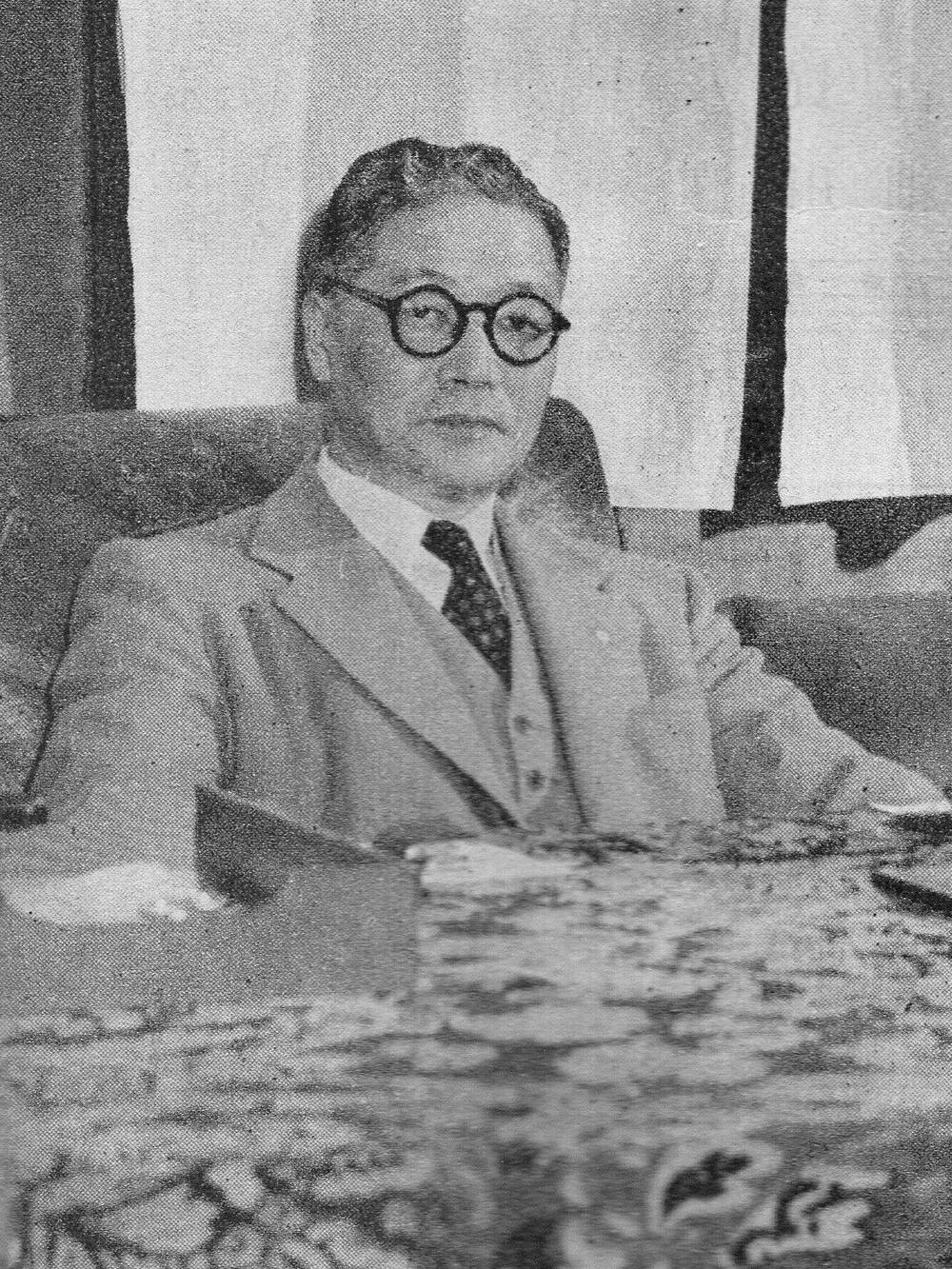
Real photographs from the archives — not reconstructions. Each image is public domain and credited to its collection. Grainy, damaged and imperfect: that is what history looks like.
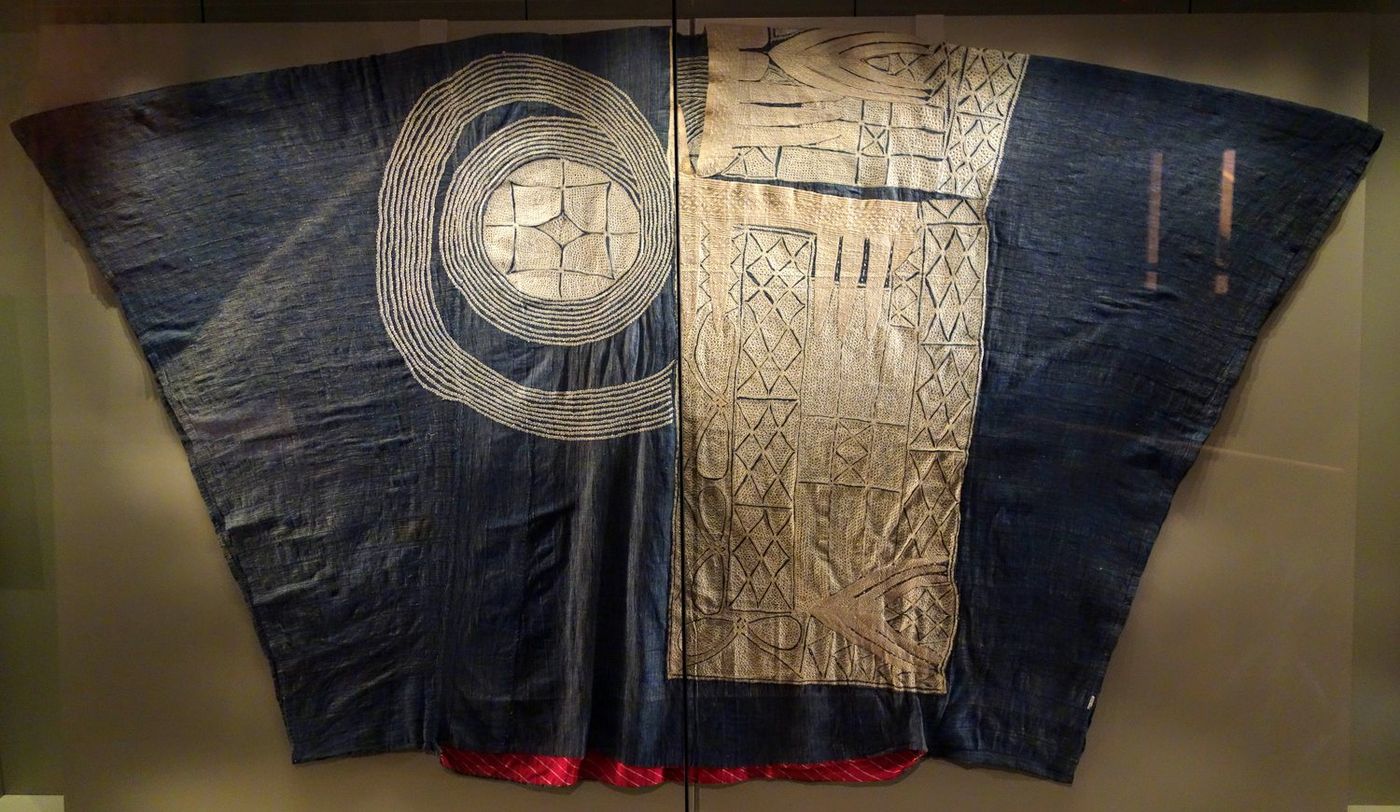
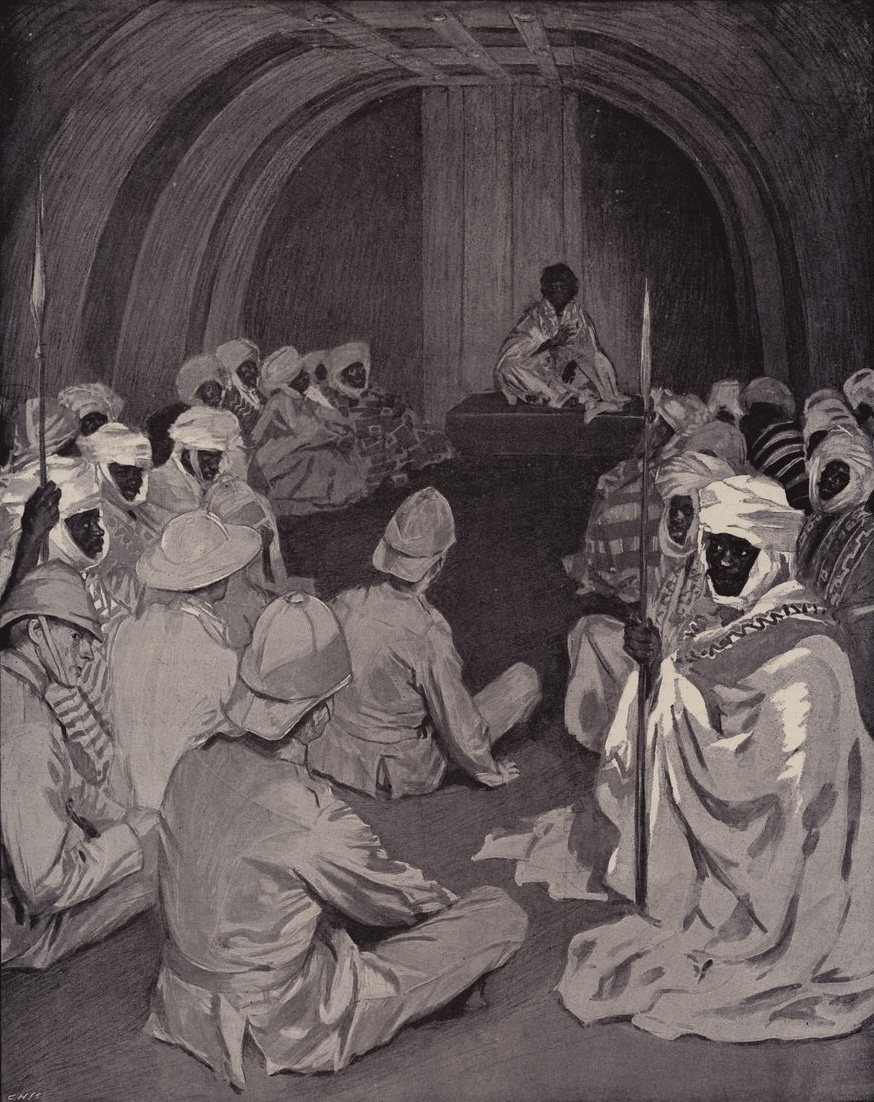
Images sourced from Wikimedia Commons (public domain or CC0). Attribution and licence shown with each photograph.
Quick Facts
Before Colonial Rule
The oldest cultures
Nok culture (c. 1000 BC – 500 AD) produced some of Africa’s oldest figurative terracotta sculpture. At Igbo-Ukwu in the southeast, bronze casters were working by about 900 AD — the earliest known lost-wax bronzes in West Africa.
Kingdom of Benin
From about the 11th century, the Kingdom of Benin (in today’s Edo State) grew into a powerful state famed for its brass casters. Its plaques, made by the lost-wax method, are among the finest artworks ever produced. British forces looted roughly 4,000 of them in 1897.
Hausa city-states & Queen Amina
In the north, the Hausa Bakwai — seven city-states including Zazzau — traded across the Sahara. The Kano Chronicle records Queen Amina of Zazzau, who conquered from Bauchi to Nupe in the 16th century.
Oyo, Bornu and the Caliphate
The Oyo Empire dominated the southwest; the Kanem-Bornu Empire controlled the Lake Chad region for centuries; and in 1804 Usman dan Fodio’s jihad created the Sokoto Caliphate, one of the largest states in 19th-century Africa.
The Colonial Period
British encroachment
Britain annexed Lagos in 1861 and expanded inland through the Royal Niger Company. Resistance was widespread — the Benin expedition of 1897 and the Ekumeku movement in Igboland are among many.
Amalgamation, 1914
In 1914 the British merged the Northern and Southern Protectorates into a single colony under Lord Lugard — an administrative decision that joined hundreds of peoples into one territory.
Indirect rule
The British governed through existing rulers where they could (“indirect rule”), which preserved some institutions but subordinated them to colonial authority.
Independence & The Modern Nation
Independence, 1 October 1960
Nigeria became independent with Tafawa Balewa as Prime Minister and Nnamdi Azikiwe as Governor-General, later the first President when Nigeria became a republic in 1963.
The civil war
In 1967 the Eastern Region declared independence as Biafra, triggering a 30-month civil war that ended in 1970 — one of the defining traumas of modern Nigerian history.
Back to democracy, 1999
After decades of military rule and the annulled June 12, 1993 election, Nigeria returned to civilian rule in 1999 under Olusegun Obasanjo.
Today
Nigeria is Africa’s most populous country, its largest economy by some measures, and the home of Nollywood — one of the world’s biggest film industries.
Leaders & Heads of State
Every head of state since Nigeria became independent — how each came to power and how each left. Dates are standard reference dates; where historians or records disagree, we say so.
| Leader | In office | How they came to power | How they left |
|---|---|---|---|
| Abubakar Tafawa Balewa | 1960–1966 | Prime Minister at independence (elected) | Killed in the January 1966 coup |
| Nnamdi Azikiwe | 1963–1966 | Ceremonial President (elected) | Deposed in the 1966 coup |
| Gen. Johnson Aguiyi-Ironsi | Jan–Jul 1966 | Seized power in the January 1966 coup | Killed in the July 1966 counter-coup |
| Gen. Yakubu Gowon | 1966–1975 | Took power after the counter-coup; led the federal side in the civil war | Deposed in a bloodless coup, July 1975 |
| Gen. Murtala Muhammed | 1975–1976 | Coup; launched sweeping reforms | Assassinated in a failed coup attempt, February 1976 |
| Gen. Olusegun Obasanjo | 1976–1979 | Succeeded Muhammed | Voluntarily handed power to an elected government (1979) |
| Shehu Shagari | 1979–1983 | Elected president (Second Republic) | Overthrown, December 1983 |
| Maj-Gen. Muhammadu Buhari | 1983–1985 | Coup | Overthrown, August 1985 |
| Gen. Ibrahim Babangida | 1985–1993 | Coup | “Stepped aside” after annulling the June 12, 1993 election |
| Chief Ernest Shonekan | Aug–Nov 1993 | Appointed head of an interim government | Ousted by Gen. Sani Abacha |
| Gen. Sani Abacha | 1993–1998 | Coup | Died in office, June 1998 |
| Gen. Abdulsalami Abubakar | 1998–1999 | Succeeded Abacha | Handed over to an elected government (1999) |
| Olusegun Obasanjo | 1999–2007 | Elected (Fourth Republic); re-elected 2003 | Completed two terms |
| Umaru Yar’Adua | 2007–2010 | Elected 2007 | Died in office, May 2010 |
| Goodluck Jonathan | 2010–2015 | Completed Yar’Adua’s term; elected 2011 | Conceded defeat in the 2015 election — a landmark peaceful handover |
| Muhammadu Buhari | 2015–2023 | Elected 2015; re-elected 2019 | Completed two terms |
| Bola Ahmed Tinubu | 2023–present | Elected 2023 | In office |
Modern & Present
Reforms since 2023
The government ended the petrol subsidy and floated the naira in 2023, triggering inflation but reshaping public finances. Nigeria’s 2026 outlook depends heavily on oil output, agriculture and the non-oil economy.
Security
Nigeria faces multiple security challenges: insurgency in the northeast, banditry and mass kidnappings in the northwest, and separatist tensions in the southeast.
Culture
Nollywood is among the world’s largest film industries by output. Afrobeats and Nigerian literature have global reach.
Go To The Archives Yourself
We show our sources — and these are the real archives where you can check us, free. Every archive below holds original photographs, documents and records.
People & Culture
Peoples
Over 250 ethnic groups. The largest are Hausa-Fulani, Yoruba and Igbo, with hundreds of others from the Tiv and Ijaw to the Kanuri and Nupe.
Faith
Nigeria is roughly divided between a mostly Muslim north and a mostly Christian south, with strong traditional religious practices throughout — Ifá divination among the Yoruba is UNESCO-recognised.
Food & dress
Jollof rice, egusi soup, suya, pounded yam and fufu; agbada, gele head-ties, kente-like aso-oke and Hausa embroidery.