🇸🇳 Senegal
Historical Photographs
Real photographs from the archives — not reconstructions. Each image is public domain and credited to its collection. Grainy, damaged and imperfect: that is what history looks like.
Images sourced from Wikimedia Commons (public domain or CC0). Attribution and licence shown with each photograph.
Quick Facts
Before Colonial Rule
The Jolof Empire
From the 14th century the Jolof Empire united Wolof states across the savannah and Senegambia, with the kingdoms of Cayor, Baol, Sine and Saloum later emerging as rivals.
Society and faith
Senegambian society developed hierarchical castes and age-sets; from the 11th century, Islam spread, later organised through Sufi brotherhoods — Tijaniyya and Mouride — whose influence remains central today.
Trade and the Atlantic
Senegal’s rivers and coastline connected it to trans-Saharan and Atlantic trade. Gorée Island, off Dakar, became one of the most notorious departure points in the Atlantic slave trade — the “Door of No Return”. Historians debate the precise scale of Gorée’s role relative to other ports ⚖️, while its symbolic weight is undisputed.
The Colonial Period
French Senegal
France established trading posts at Saint-Louis and Gorée in the 17th century. The Four Communes (Saint-Louis, Gorée, Rufisque, Dakar) eventually sent African deputies to the French parliament — an unusual colonial status in Africa.
Dakar and French West Africa
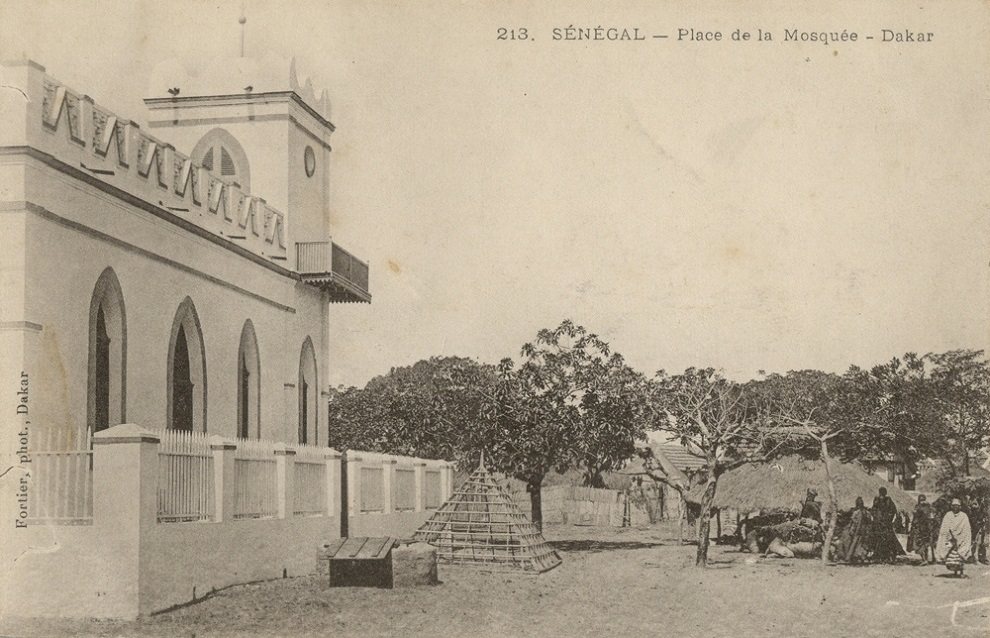
Dakar became the capital of the whole French West Africa federation, concentrating administration, education and cultural institutions.
Late colonialism
After the Second World War citizenship was extended, trade unions and political parties grew, and Senegal produced some of Africa’s leading thinkers, including Léopold Sédar Senghor, co-founder of the Négritude movement.
Independence & The Modern Nation
Independence, 1960
Senegal became independent on 4 April 1960; the Mali Federation with Mali dissolved, and Senghor became president.
Alternance, 2000
Abdoulaye Wade’s victory in 2000 ended 40 years of Socialist Party rule — Senegal’s first peaceful alternance of power.
2012 and 2024
Senegal held peaceful transfers of power in 2012 (Macky Sall) and 2024 (Bassirou Diomaye Faye), following a contested attempt to delay the election.
Today
Senegal began oil and gas production in 2024, becoming a hydrocarbon producer while seeking to renegotiate contracts in the national interest.
Leaders & Heads of State
Every head of state since Senegal became independent — how each came to power and how each left. Dates are standard reference dates; where historians or records disagree, we say so.
| Leader | In office | How they came to power | How they left |
|---|---|---|---|
| Léopold Sédar Senghor | 1960–1980 | Elected 1963; re-elected until 1980 | Resigned voluntarily — one of the first African leaders to do so |
| Abdou Diouf | 1981–2000 | Succeeded Senghor; re-elected | Defeated in the 2000 election and conceded |
| Abdoulaye Wade | 2000–2012 | Elected 2000; re-elected 2007 | Defeated in 2012 after a contested third-term bid |
| Macky Sall | 2012–2024 | Elected 2012; re-elected 2019 | Completed two terms; respected the term limit after controversy |
| Bassirou Diomaye Faye | 2024–present | Elected March 2024 | In office |
Modern & Present
Politics
Faye appointed the popular opposition figure Ousmane Sonko as Prime Minister and dissolved parliament to hold new elections — a striking reform push.
Economy
Oil and gas from the Sangomar and Greater Tortue Ahmeyim fields began in 2024; fishing, agriculture, tourism and remittances remain pillars.
Culture
Dakar is an artistic capital: mbalax music, the Senegalese film tradition, wrestlers (laamb), and fashion — with Dakar Fashion Week and the Museum of Black Civilisations.
Go To The Archives Yourself
We show our sources — and these are the real archives where you can check us, free. Every archive below holds original photographs, documents and records.
People & Culture
Peoples
Wolof, Pulaar (Fulani), Serer, Jola, Mandinka, Soninke and others.
Faith
Overwhelmingly Muslim, organised through Sufi brotherhoods with a strong tradition of peaceful coexistence alongside Christian and traditional communities.
Food
Thieboudienne (fish and rice, Senegal’s national dish and UNESCO-listed), yassa, mafé and ceebu jën.