🇿🇦 South Africa
Historical Photographs
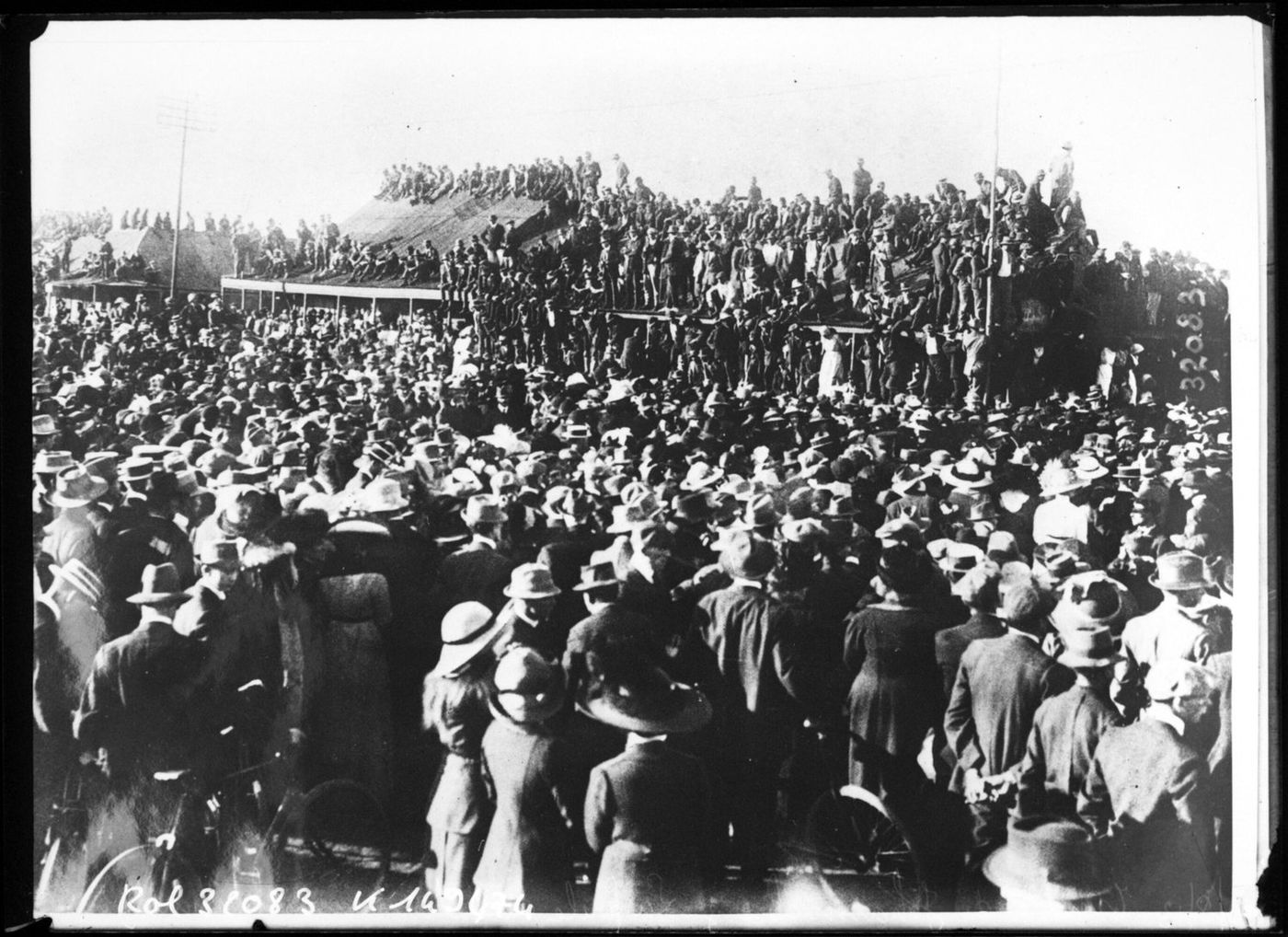
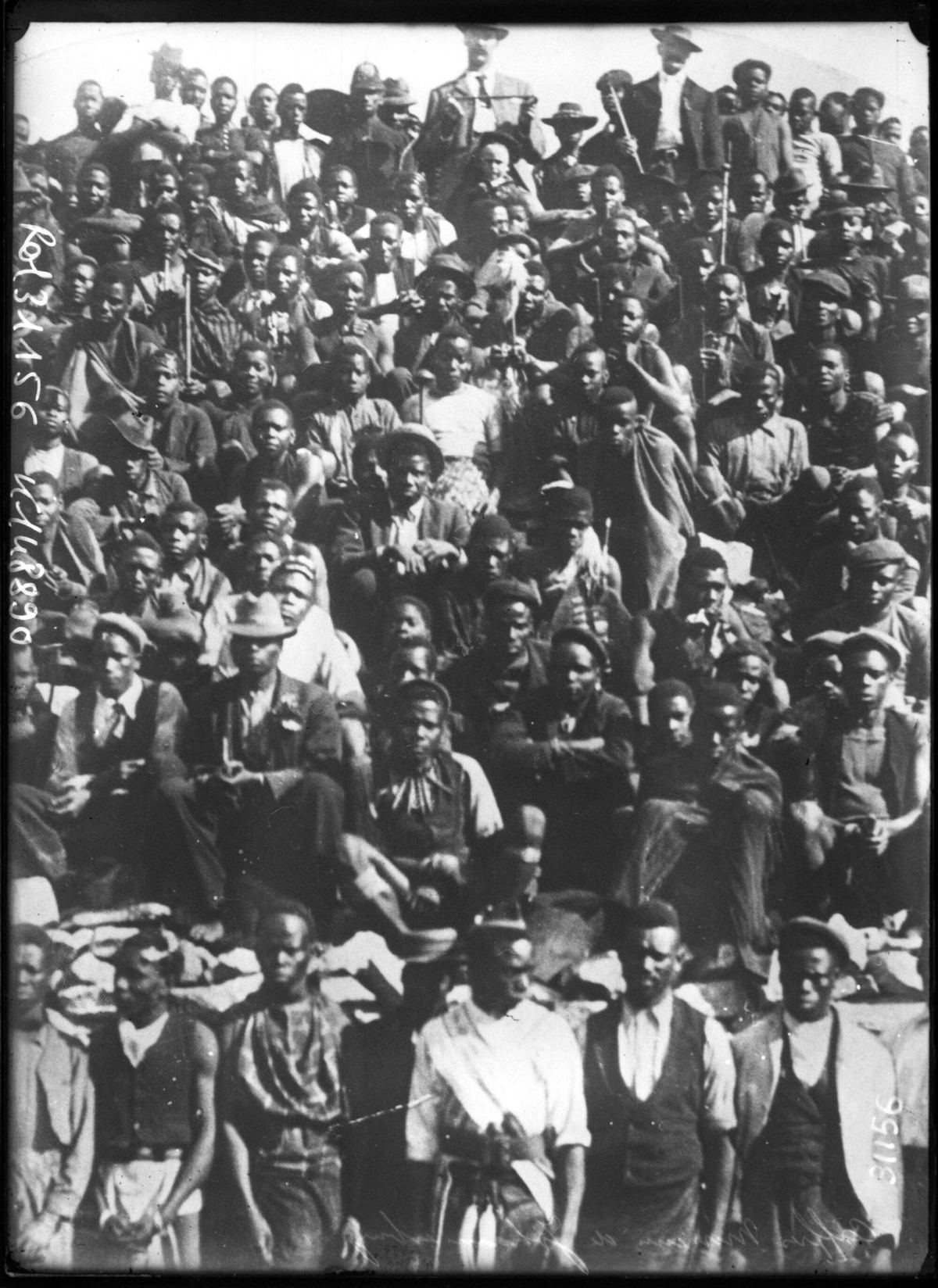
Real photographs from the archives — not reconstructions. Each image is public domain and credited to its collection. Grainy, damaged and imperfect: that is what history looks like.
Images sourced from Wikimedia Commons (public domain or CC0). Attribution and licence shown with each photograph.
Quick Facts
Before Colonial Rule
Mapungubwe
From about 1075 to 1220, Mapungubwe in the Limpopo valley was a wealthy trading kingdom — buried with its elite was a golden rhinoceros, made centuries before Europeans reached the region.
Rise of the Zulu state
In the early 1800s Shaka transformed Zulu warfare with the short stabbing spear and the “bull-horn” formation, forging a powerful kingdom from a small clan. The wider upheaval of that era is called the Mfecane (a term historians debate ⚖️).
Other peoples
Xhosa chiefdoms in the Eastern Cape, Sotho-Tswana societies, the Khoisan of the Cape, Venda, Pedi and Tsonga communities each had their own polities, economies and knowledge systems.
The Colonial Period
The Dutch Cape
The Dutch East India Company established a refreshment station at the Cape in 1652; settler expansion produced the Afrikaans-speaking community and dispossessed Khoisan pastoralists.
British rule and the Great Trek
Britain took the Cape permanently in 1806. Boer trekkers moved inland in the 1830s; British–Boer conflict and wars against African kingdoms (including the Anglo-Zulu War of 1879) followed.
Gold, diamonds and war
Diamond discoveries at Kimberley (1867) and gold at Johannesburg (1886) transformed the region — culminating in the South African War (1899–1902) and the 1910 Union.
Independence & The Modern Nation
Union and segregation
The Union of South Africa (1910) granted self-government to whites; the 1913 Natives Land Act left Africans with about 7% of the land.
Apartheid, 1948–1994
From 1948 the National Party formalised racial segregation as apartheid: Bantustans, pass laws, and the imprisonment of leaders such as Nelson Mandela (27 years). The anti-apartheid struggle took many forms, from the ANC’s armed wing to mass youth protest, including the Soweto uprising of 1976.
1994
After F.W. de Klerk unbanned the ANC and released Mandela, South Africa held its first non-racial election on 27 April 1994. Mandela became president on 10 May 1994.
Today
South Africa is Africa’s most industrialised economy, with deep inequality, high unemployment and the world’s most progressive constitution.
Leaders & Heads of State
Every head of state since South Africa became independent — how each came to power and how each left. Dates are standard reference dates; where historians or records disagree, we say so.
| Leader | In office | How they came to power | How they left |
|---|---|---|---|
| Nelson Mandela | 1994–1999 | Elected in the first democratic election | Stepped down after one term |
| Thabo Mbeki | 1999–2008 | Elected; re-elected 2004 | Resigned after being recalled by the ANC |
| Kgalema Motlanthe | 2008–2009 | ANC-appointed interim president | Handed over after the 2009 election |
| Jacob Zuma | 2009–2018 | Elected 2009; re-elected 2014 | Recalled by the ANC and resigned |
| Cyril Ramaphosa | 2018–present | Succeeded Zuma; elected 2019; re-elected 2024 as head of a Government of National Unity | In office |
Modern & Present
Economy
Mining, manufacturing and finance dominate. Load-shedding, logistics constraints and unemployment remain the central challenges.
Politics
The 2024 election produced South Africa’s first national coalition government since 1994, with the ANC sharing power.
Culture
South Africa gave the world the protest jazz of the apartheid era, isicathamiya, Afro-pop and amapiano — and hosted Africa’s first FIFA World Cup in 2010.
Go To The Archives Yourself
We show our sources — and these are the real archives where you can check us, free. Every archive below holds original photographs, documents and records.
People & Culture
Peoples
Nguni, Sotho-Tswana, Tsonga, Venda, Khoisan communities, Afrikaners, English-speakers and large Indian and mixed-heritage populations — “the rainbow nation.”
Faith
Christian majority with significant Hindu, Muslim and traditional African religious practice.
Food
Braai, pap and chakalaka, bunny chow, bobotie, and Cape Malay curries.